








Guiding Oberlin College down the road to net zero
Guiding Oberlin College down the road to net zero
1
OF
1
A business case for renewable energy
After doing research into renewable energy options and ways to partner with suppliers, contractors, and the city of Oberlin, Oberlin College took its first step on its new ambitious journey in 2012 — beginning with solar energy.
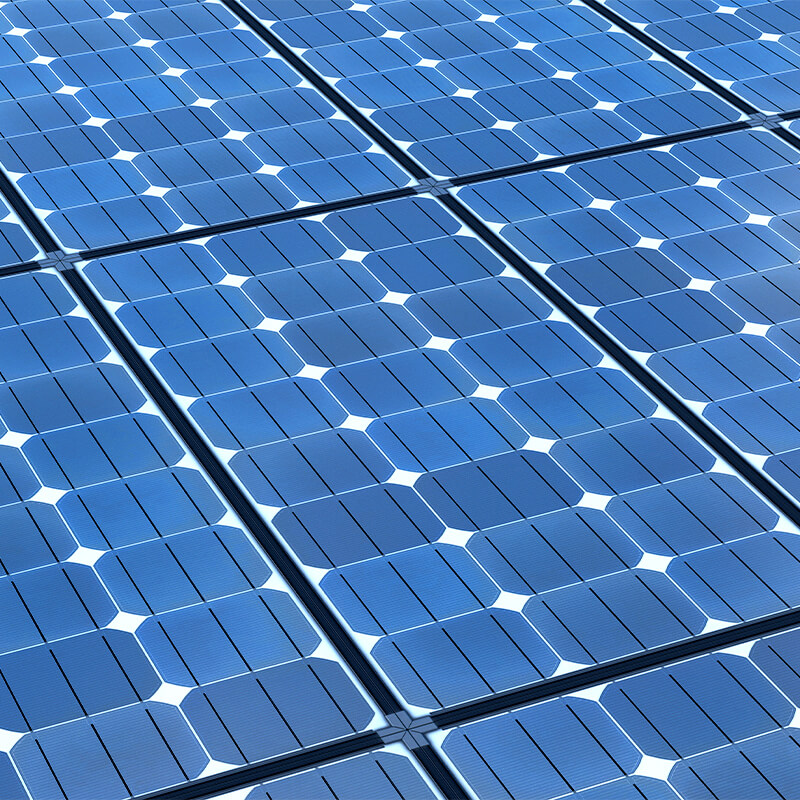
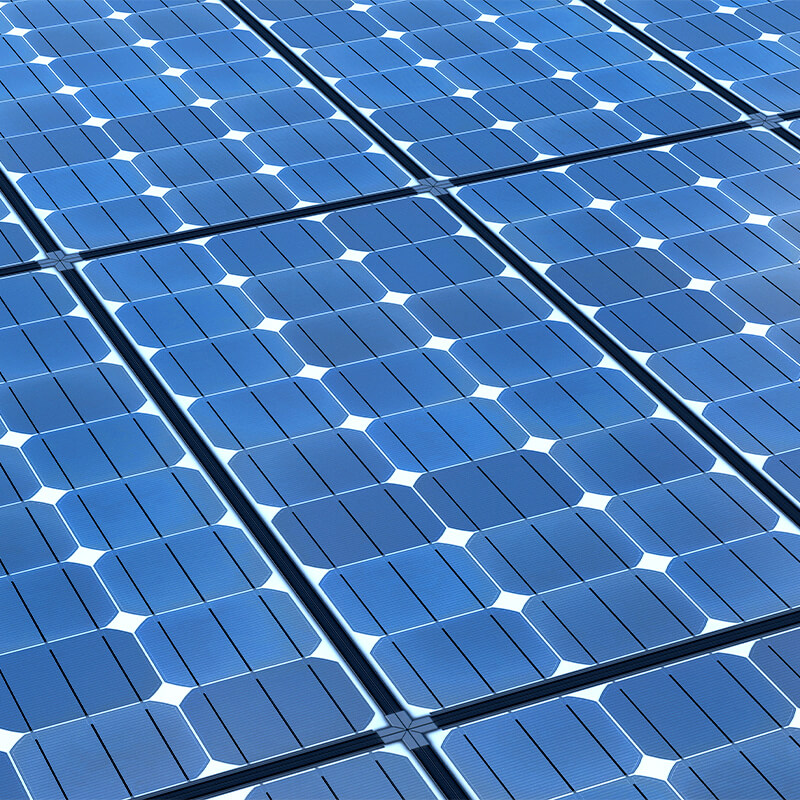
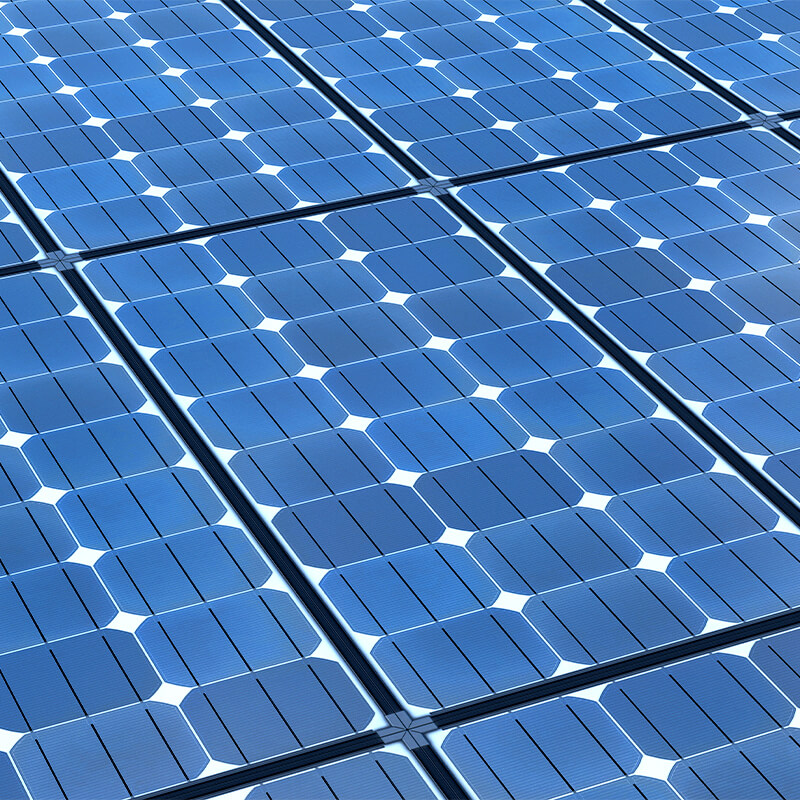
The college already had two smaller fixed solar arrays installed on building rooftops in 2006. These consisted of 1,026 panels, covering 13,600 sq. ft., and produced 160 kW of energy.
By contrast, the new 2.72 MW solar system, energized in 2012, consists of 7,722 panels that track the sun, covers 10 acres, and produces 3 million kWh of electricity per year, or 12% of the school’s yearly energy demand. The energy goes directly to the grid, keeping peak rates manageable for the college and residents of Oberlin.
Putting an end to 100 years of coal burning
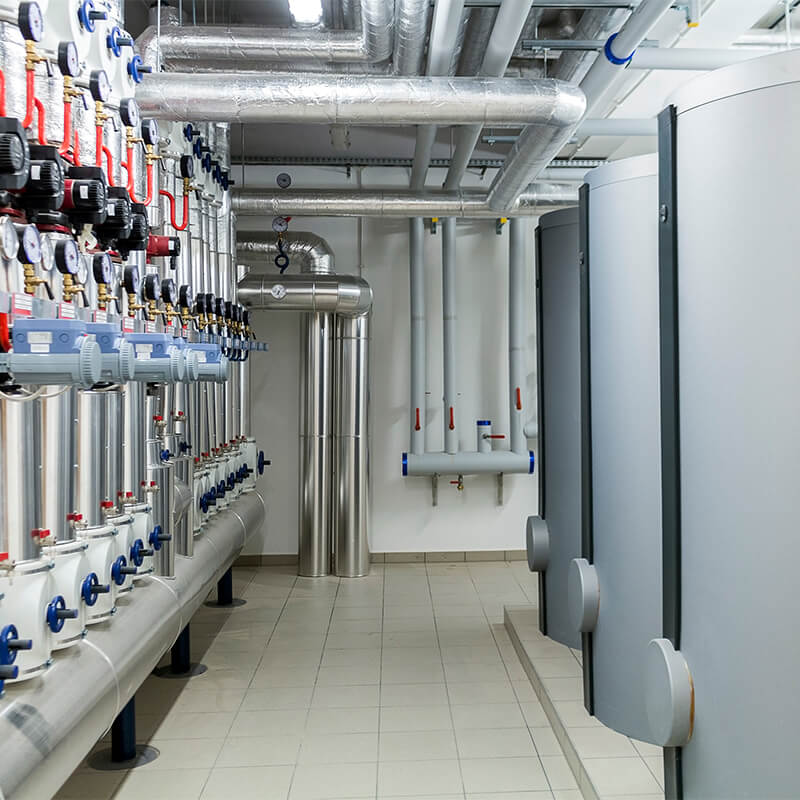
Until 2014, the college implemented a coal-fired steam boiler installed in 1949 to heat buildings and water — this replaced the original from 1913. Not only is burning coal the dirtiest way to produce heat, but the antiquated system also resulted in considerable heat and water loss in the distribution process.
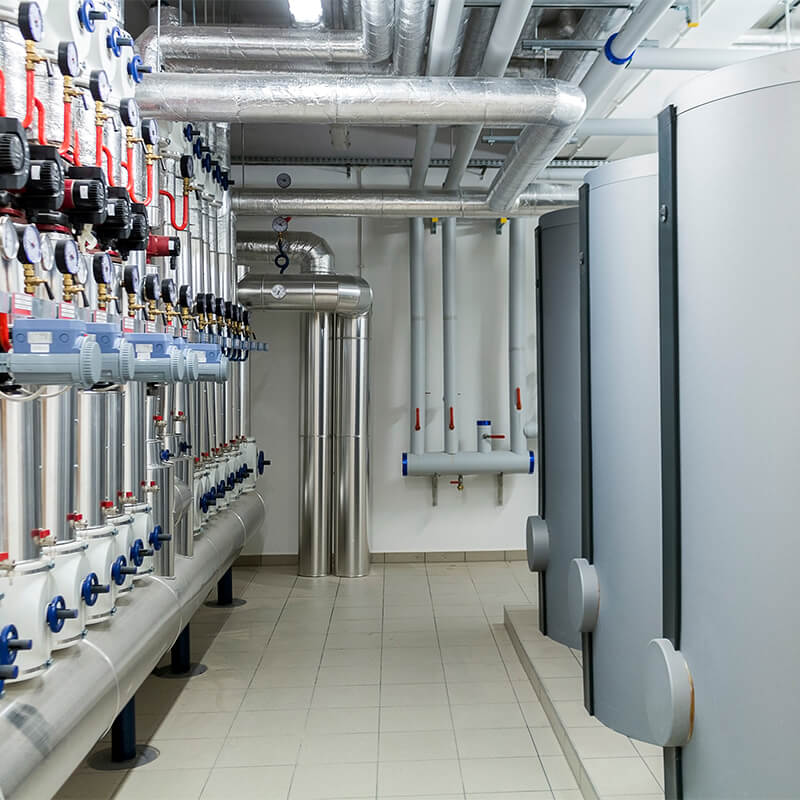
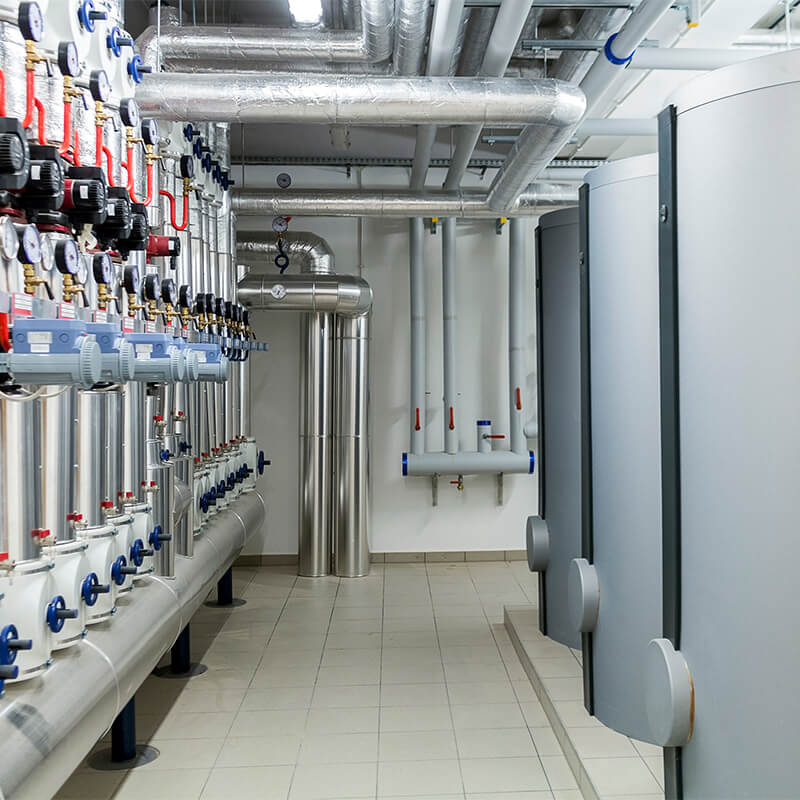
The fix was to add two natural gas steam boilers and decommission the coal-fired unit. The natural gas assets are intended to remain as emergency and backup heating solutions to supplement the geothermal heat pumps, which will be the main source of heating and cooling.
Collaborating with the earth to climate control buildings
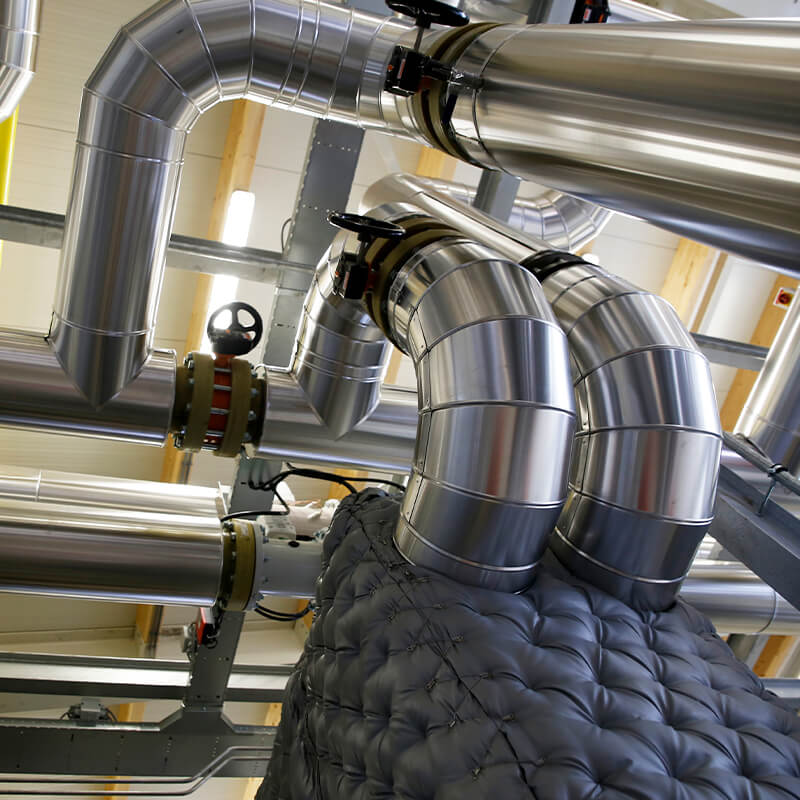
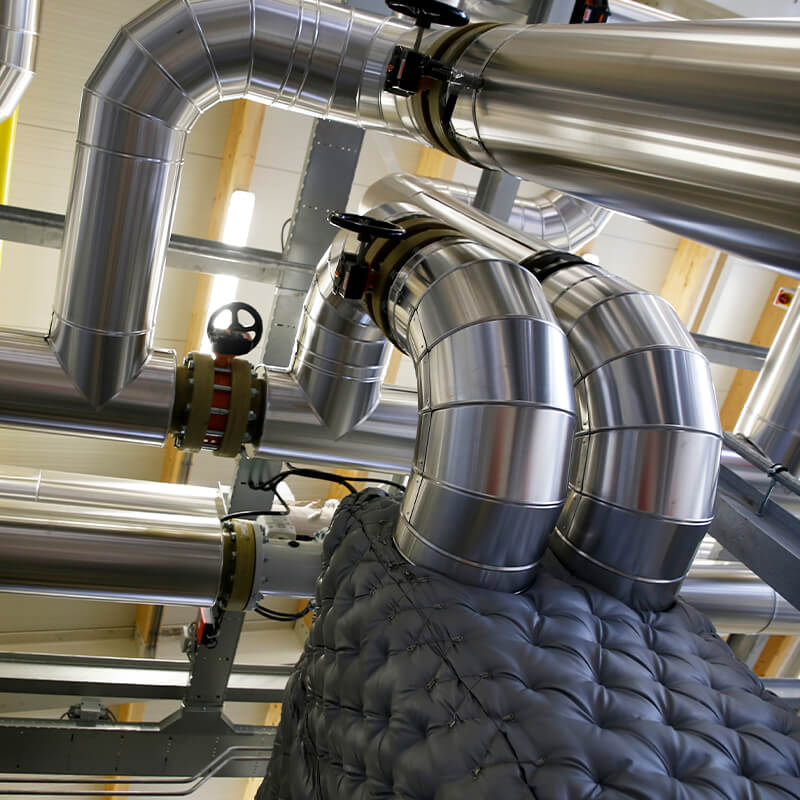
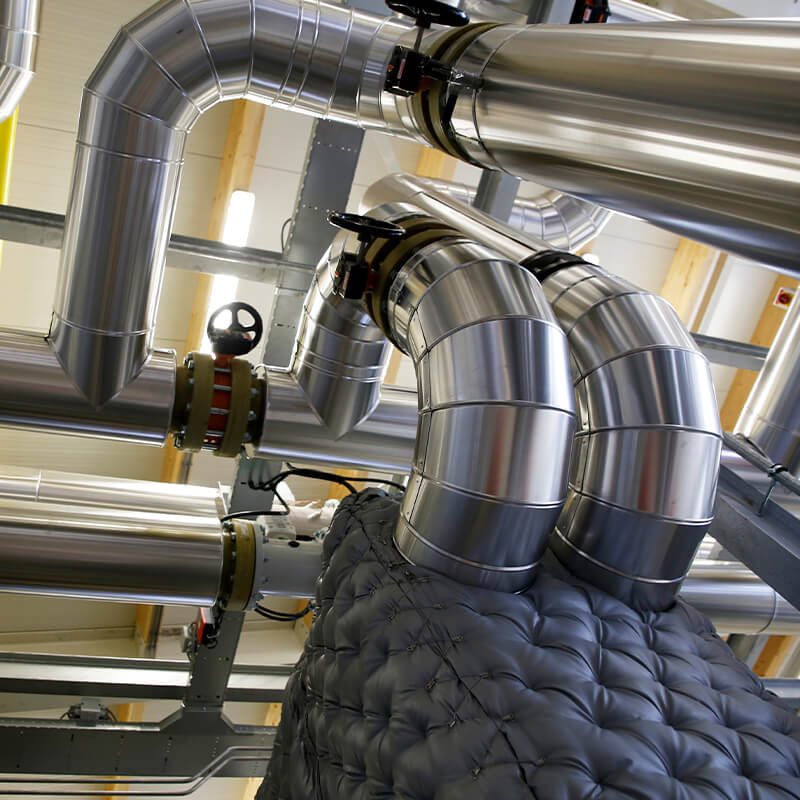
The final leg of Oberlin College’s carbon neutral race is anchored by an ambitious campus-wide geothermal project that kicked-off in the summer of 2021.
The four-year project includes the drilling of 847 geothermal wells. Each six hundred foot well will be part of a greater closed loop system designed to mitigate water and heat loss. The 1,200 foot journey down each well and back returns water at a consistent 55°. The water is then pumped to a state-of-the-art heat exchange system to be either heated to 130° for heating purposes or cooled to 42° for cooling.
An additional part of the geothermal project will be to retrofit the HVAC systems in each building and replace over 9 miles of pipe across the campus. This retrofit will also provide the opportunity to upgrade other systems including digital infrastructure and the fire protection system.
Environmental and financial stewardship
Known for being a socially conscious and forward-thinking institution, there was no doubt Oberlin College would take a sustainable approach when replacing century old infrastructure. Along with the push for net-zero, the project leaders also realized substantial savings through energy and resource efficiencies in the heating, cooling, and distribution processes. Both the scope of the project and innovative solutions were truly unique and effective, earning Oberlin College a 2021 Excellence in Energy Award for Sustainability from NRG.




Focused on you
Whatever your energy goal, we’re ready to craft the best solution.