








Implementing efficiency upgrades that make environmental and economic sense
Implementing efficiency upgrades that make environmental and economic sense
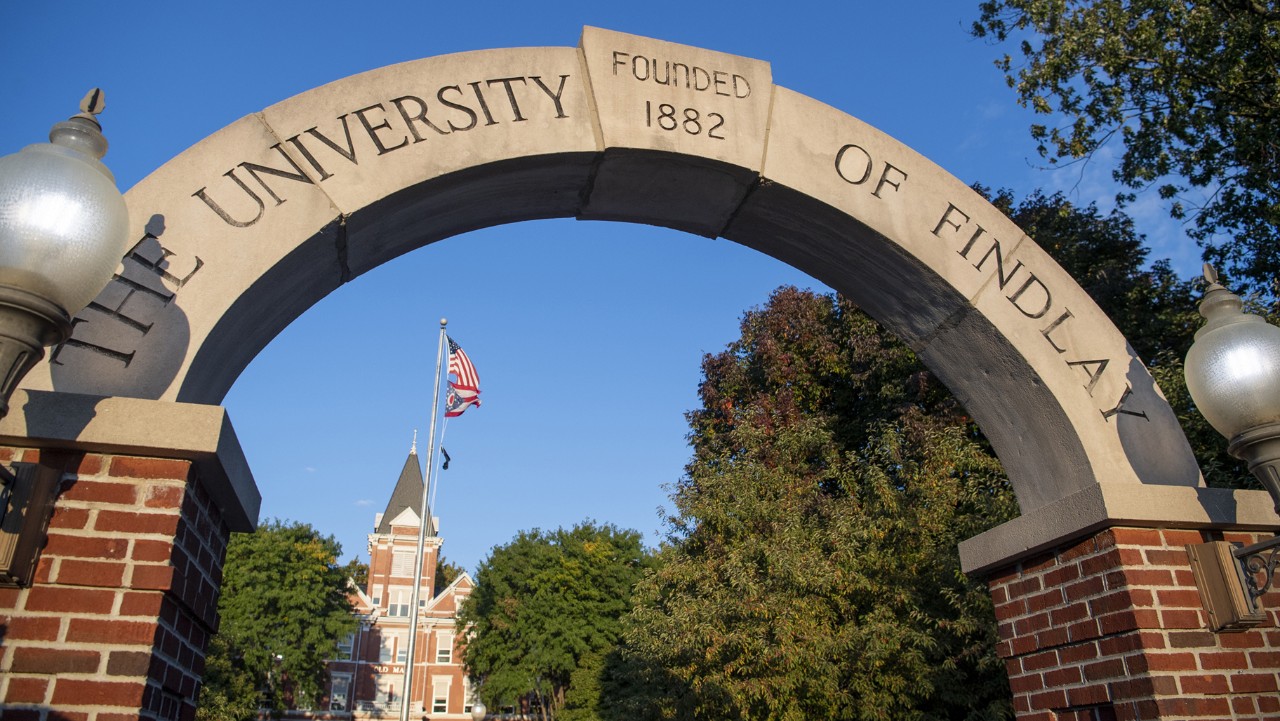
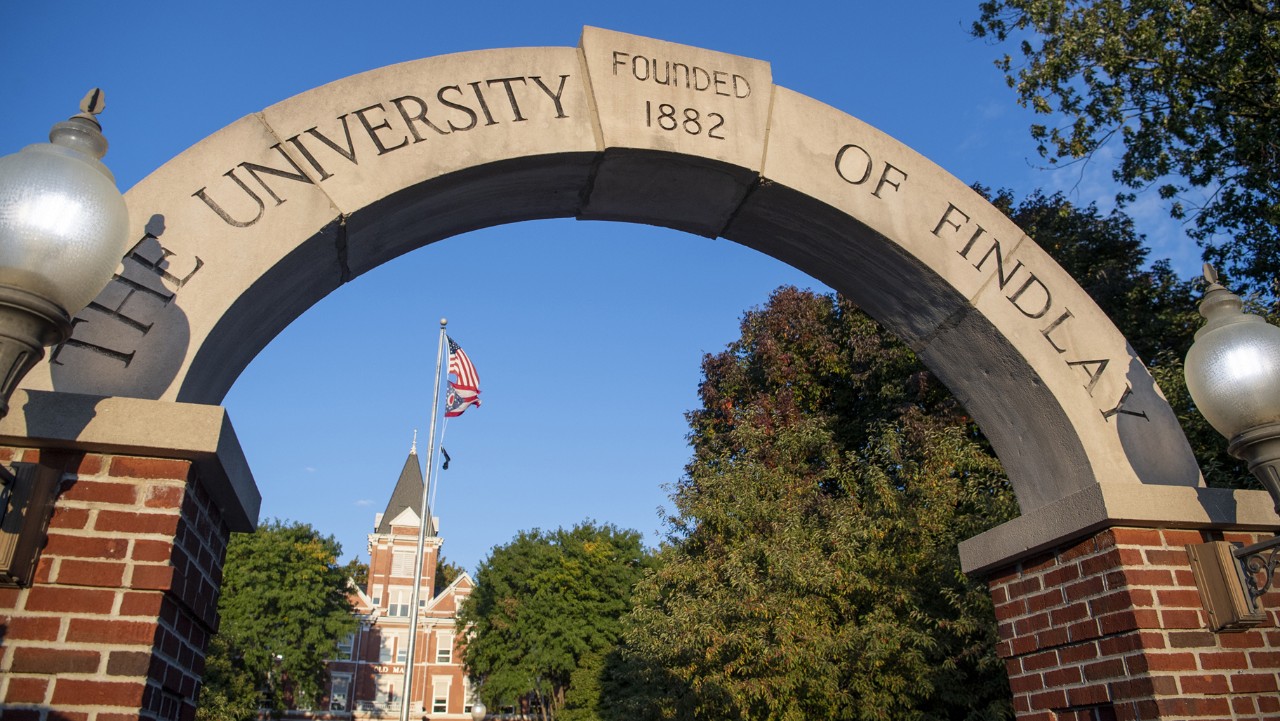
1
OF
2
Watch the interview
Watch the interview
Hear more from University of Findlay Plant Director, Orion Jones about the school's approach.



BUSINESS CASE
Reinvesting their savings
They want energy management solutions that make economic and environmental sense.
Currently, NRG and the Unviersity of Findlay partner in demand response program to help the university continue saving on energy costs and increasing efficiency.
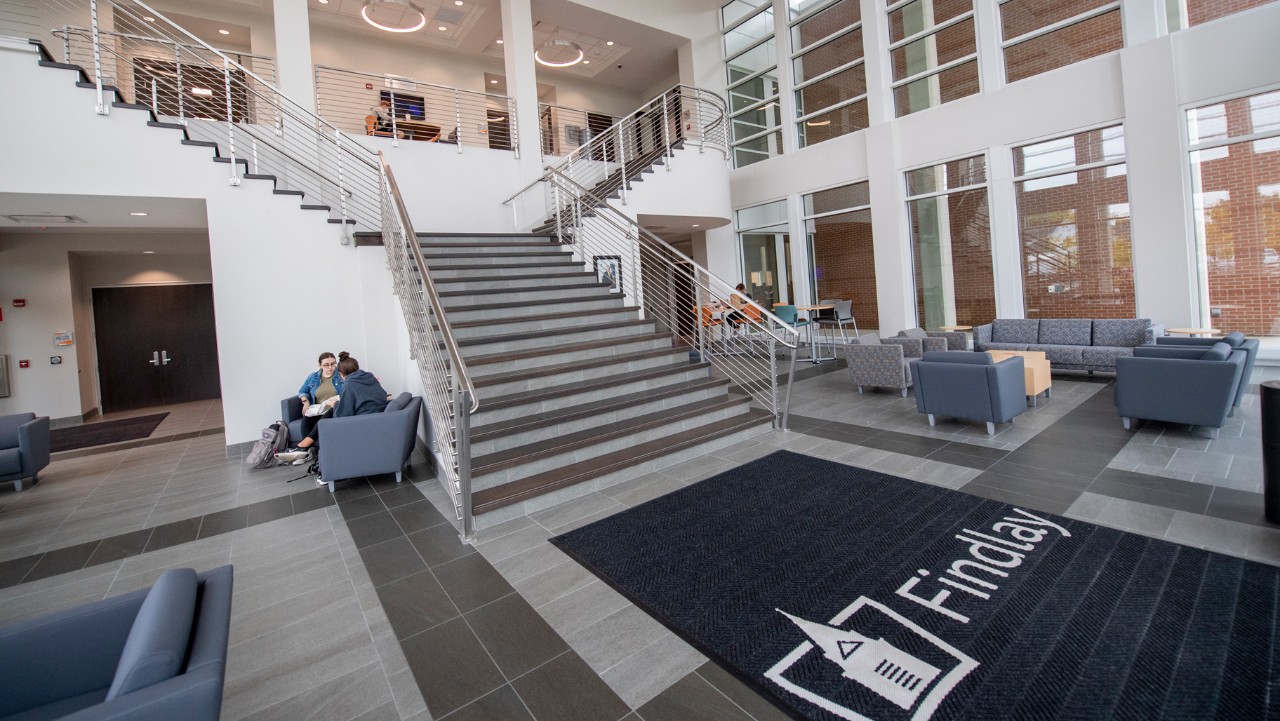
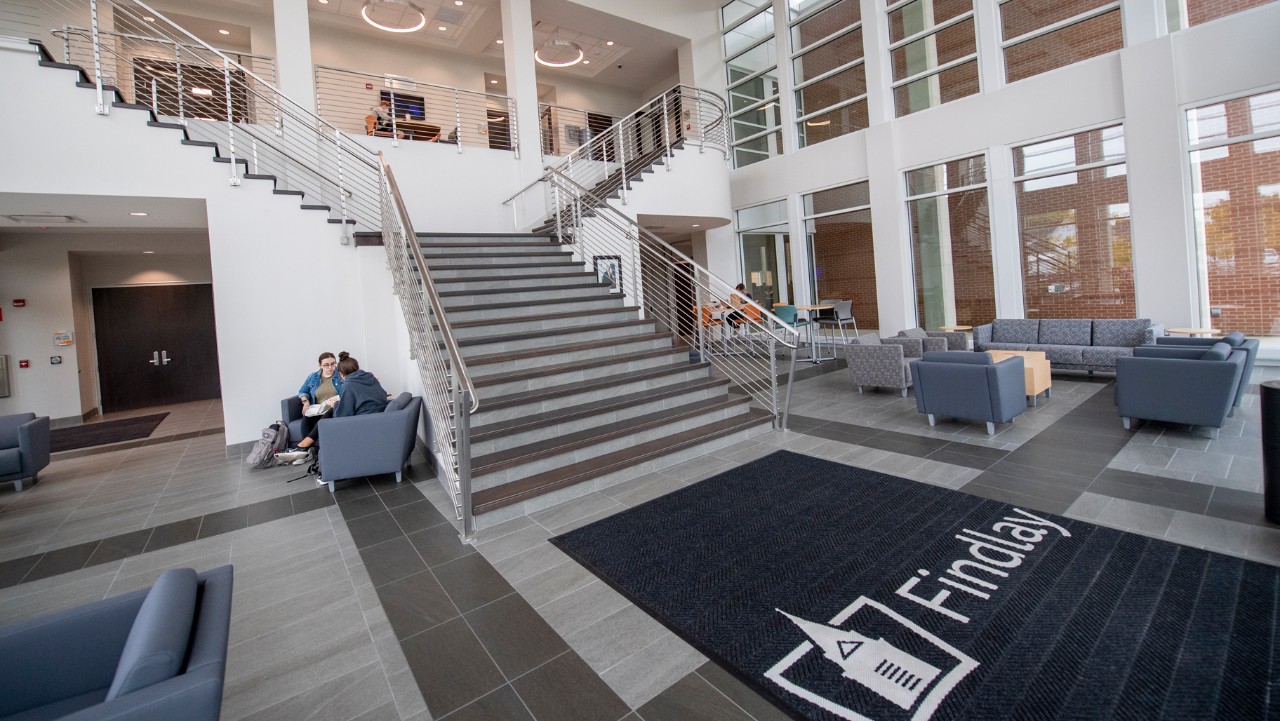
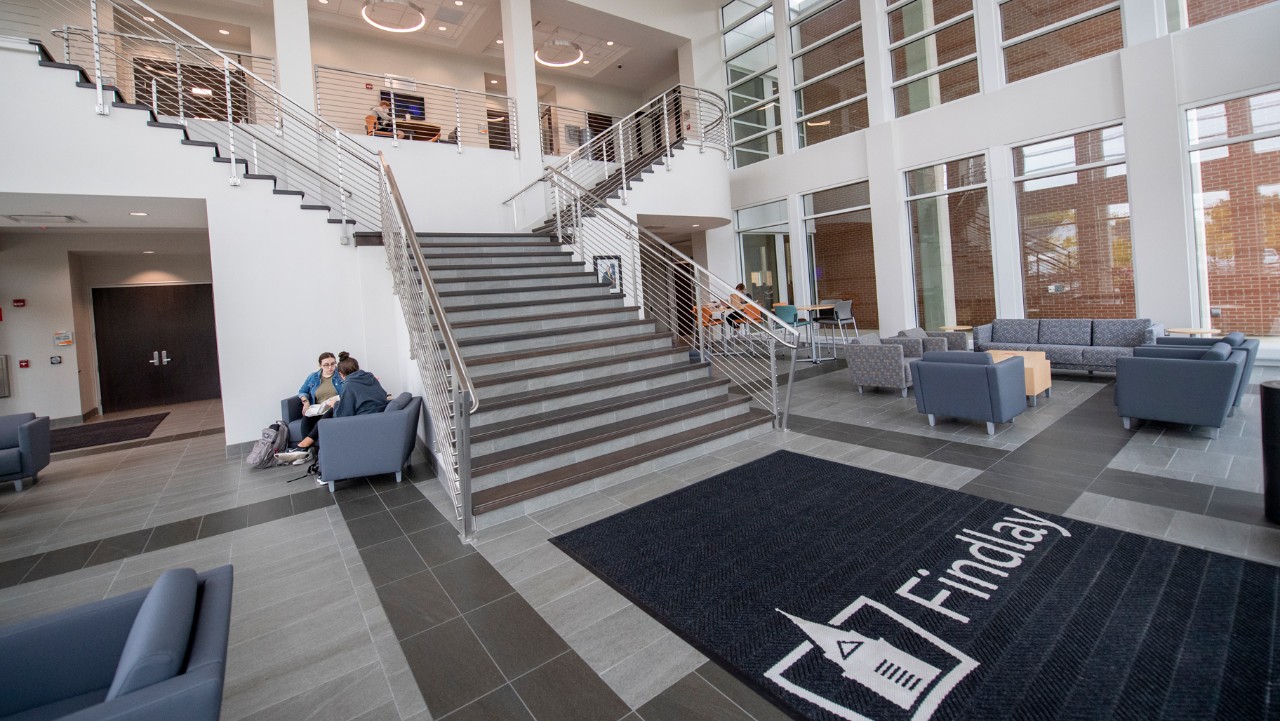
“It’s great that we’re reducing our carbon footprint. We’re also running a business. We’ve reduced 47% of our energy use in one building. Once we started becoming more efficient, we went from spending $170,000 in this building to about $90,000,” Jones said.
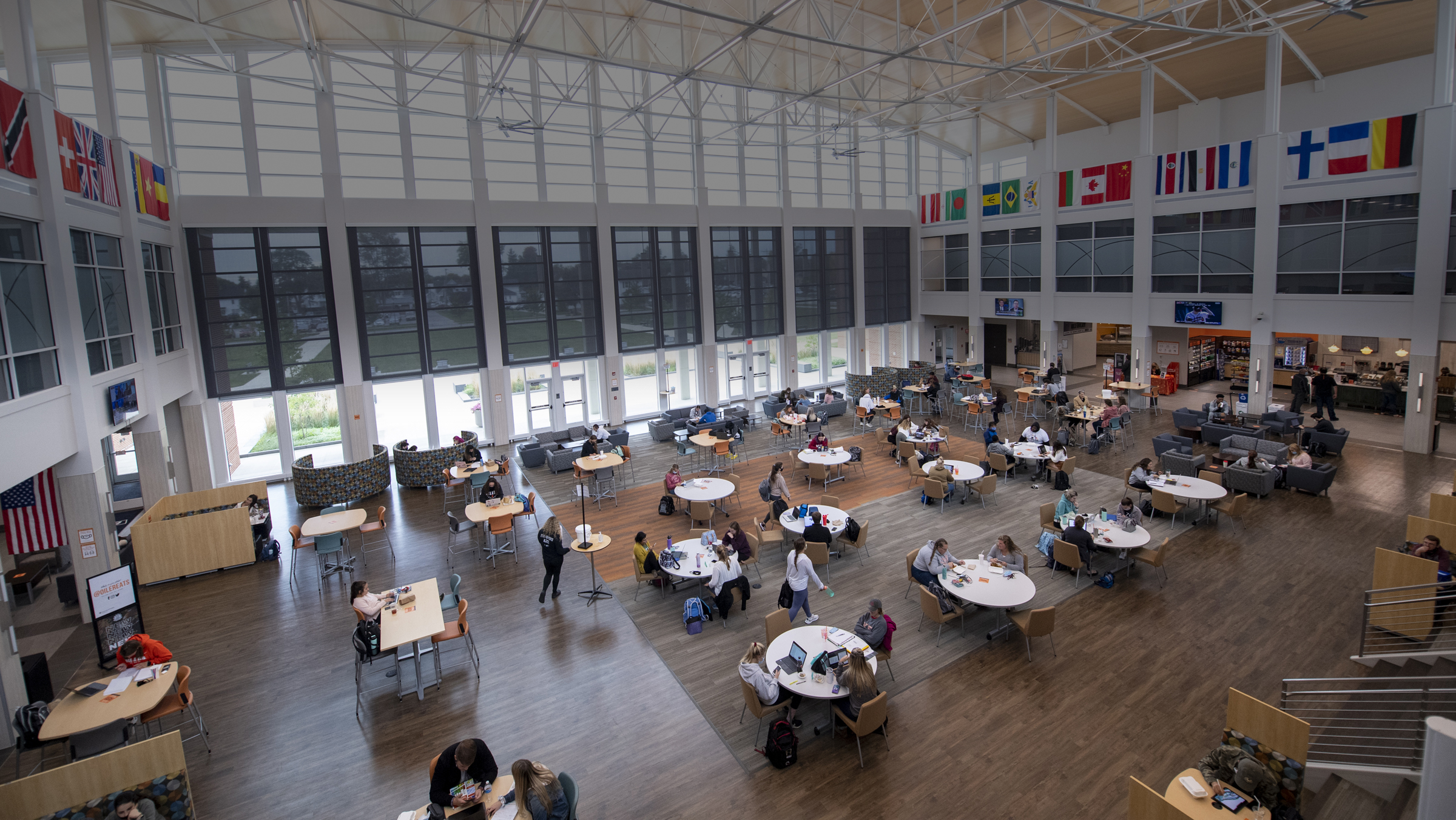
Then the university took those energy savings and reinvested back into their students and their school.



ENERGY MANAGEMENT FACTS
Making space for hands-on learning
Orion Jones engages students in building management.
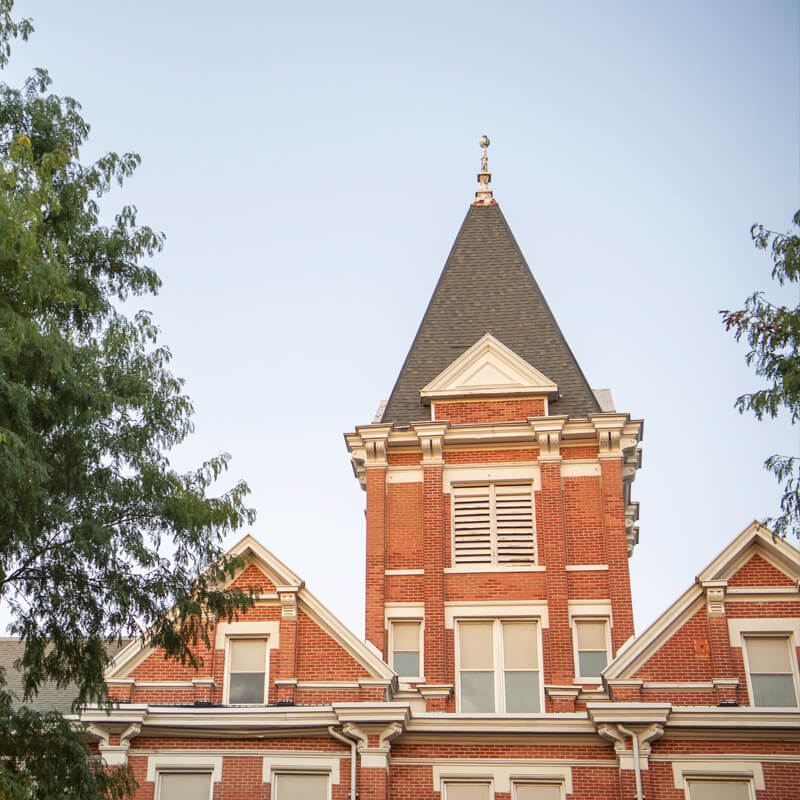
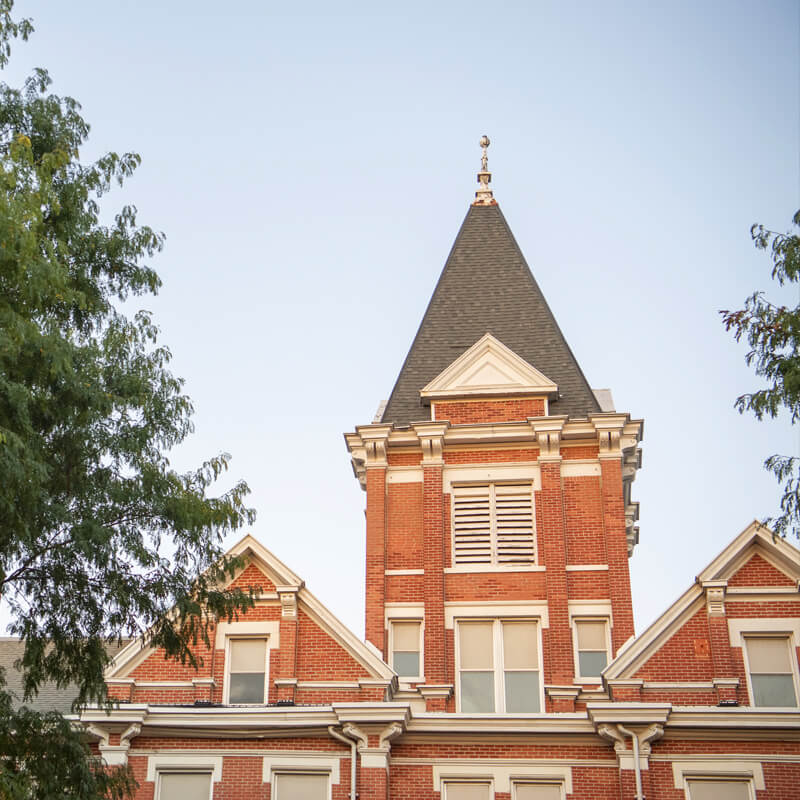
The Experiential Student Learning Division includes a team of eight business, sustainability, and data programming students.
“I took this experiential learning team, and now they have building management responsibilities, so each one of them has two or three buildings that they oversee. The students are learning what it takes to manage these buildings on a commercial level,” Jones said.
EFFICIENCY RESULTS
Beyond the bottom line
The University of Findlay is saving energy and building a better future.
In addition to their remarkable savings, Jones points to the long-term impact of efficiency.
“I take pride in knowing that I’ve made the university more sustainable, environmentally and economically, and that we’re able to take what we used to spend on energy and invest it back in our university infrastructure.”
Jones takes the most pride in their infrastructure sustainability, how they can improve, and continue to be stewards of the environment and leaders for future generations.



ENERGY MANAGEMENT FACTS
Scaling up efficient operations
As a proponent of impactful efficiency upgrades, the University of Findlay was a natural partner.
The university operates two student houses that receive more than 70 percent of their power from alternative energy sources. NRG has not been directly involved in powering these dorms but plans to be and provide more options in the future.


Focused on you
Whatever your energy goal, we’re ready to craft the best solution.