










Receive stories, news, and offers from our family of brands.
This school district's lesson in the economics of energy efficiency

This school district's lesson in the economics of energy efficiency
1
OF
3
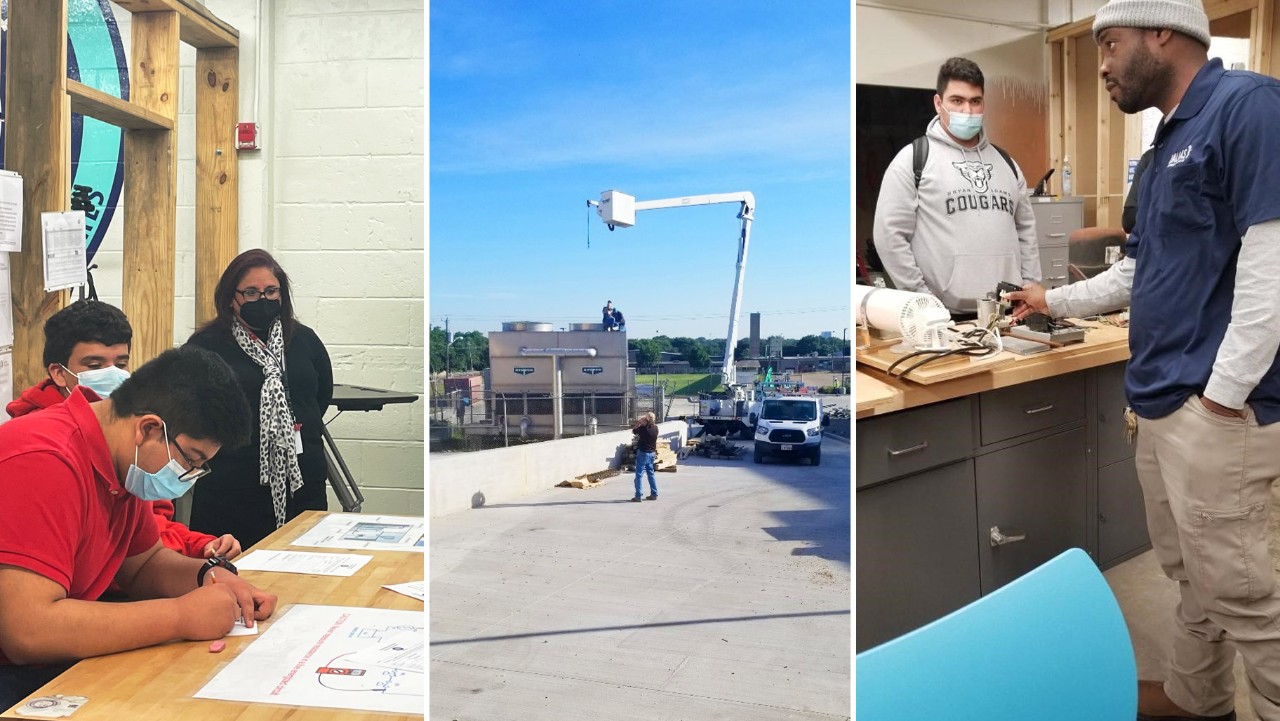
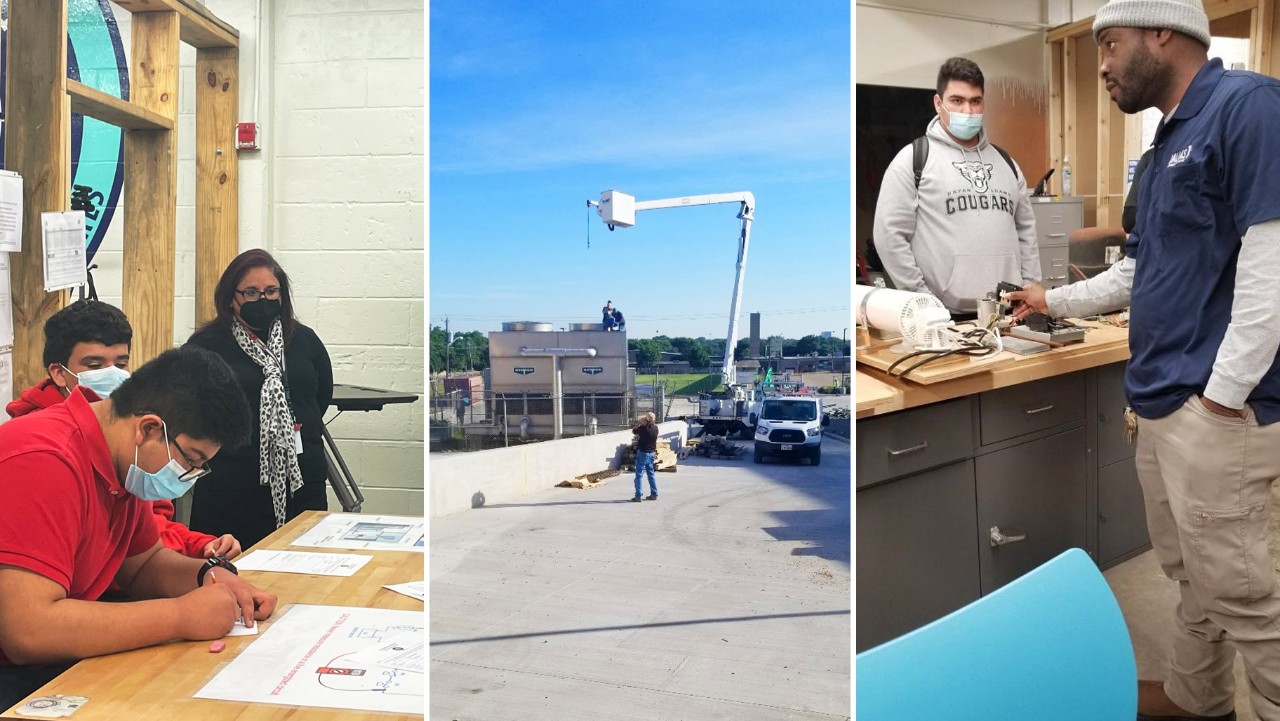
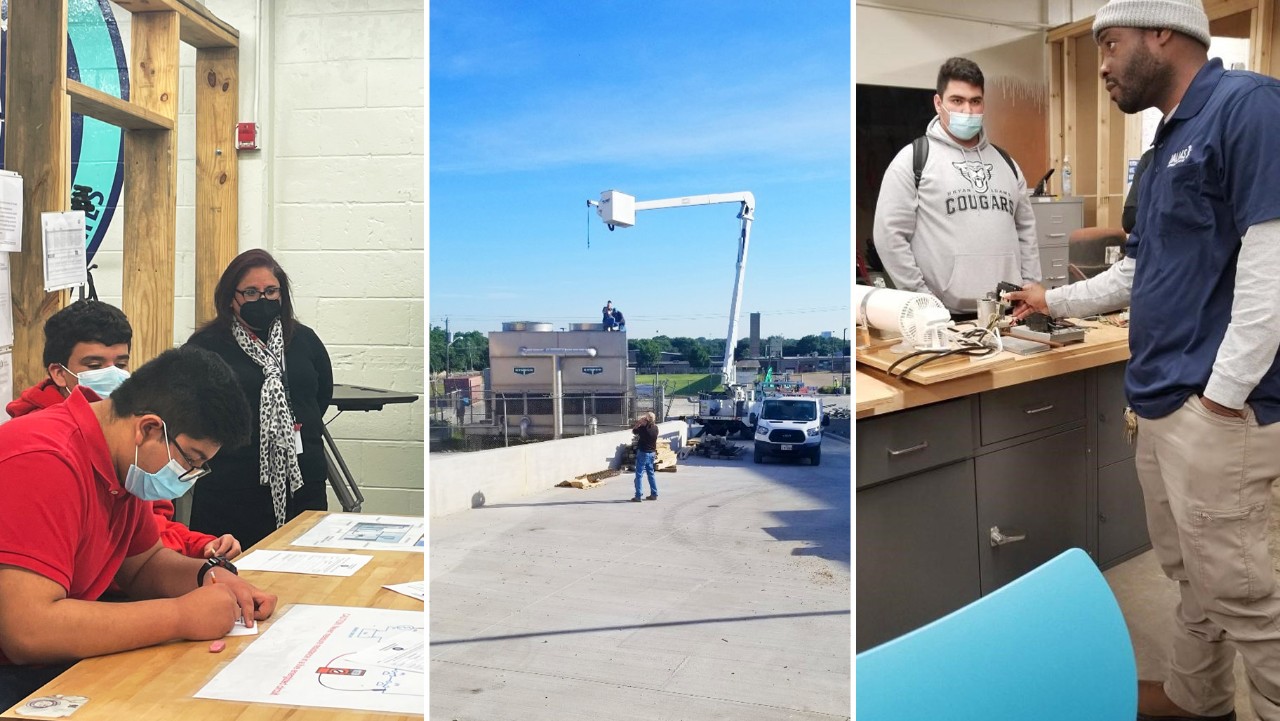






Watch the interview
Hear more from Bryant Shaw, Manager, Sustainability Services, about the school district's approach.
PROJECT SCOPE
Efficiency, control, and curtailment
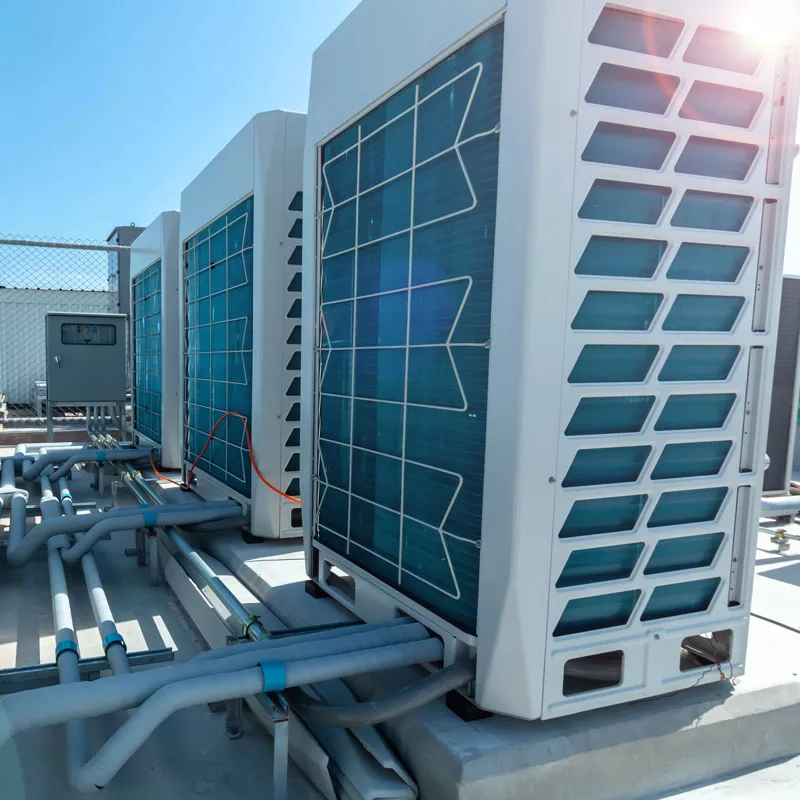
The first, and most involved phase of the project was to upgrade the heating, ventilation, and air conditioning (HVAC) systems, most of which were 15-20 years old. These were replaced by units with a higher seasonal energy efficiency ratio (SEER), which rates HVAC systems for efficiency much like MPG ratings for the automotive industry. The HVAC systems were also upgraded with digital direct controls for further efficiency gains.
The next phase of the project was to replace dated incandescent lighting with LED fixtures and bulbs/tubes — for an economical efficiency play.
DEMAND RESPONSE
Curtailment delivers savings and grid resiliency
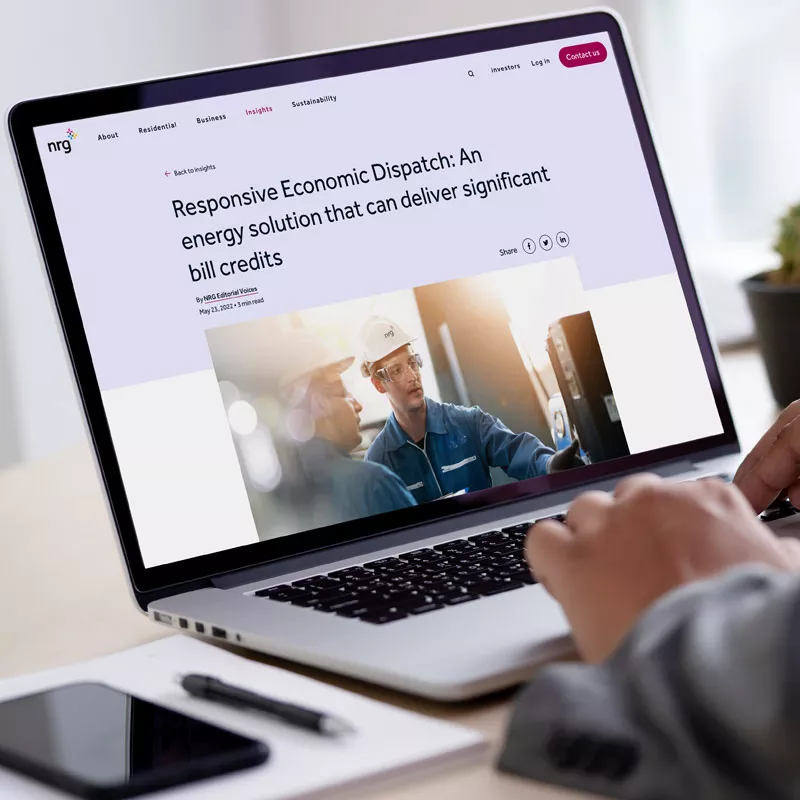
The final phase of the project was to participate in Responsive Economic Dispatch (RED), a proprietary demand response program through NRG. The RED program provides financial incentives for curtailing energy use during peak demand times. In addition to efficient use of energy, RED program curtailment times could be efficiently programmed into the HVAC system remotely through recently upgraded digital controls.

COMMUNICATION
A major reason for the program’s success
Data and communication were vital in making this undertaking a success. By keeping data in context and accessible, Dallas ISD kept stakeholders, staff, and anyone in the community apprised of progress toward project goals. This built trust in the committee by answering questions before they arose — and helped earn the approval of an additional $2-billion construction bond.
After the project, the committee was able to show the teachers, students, staff, and the community the savings that were being invested back into classroom education. In fact, some of the data, technology, and engineering found its way into course curricula.

BUSINESS CASE
A winning project on every level
The project did achieve the desired results of carbon reduction and energy savings, but just as important, the method by which the plan was decided and implemented was instrumental in its success. The community involvement in public school modifications, having a central point of contact, and access to progress data lent transparency and credibility to the effort. In the end, the project not only achieved its initial goals but also won funding for future efforts.
“Energy efficiency, energy savings, and lessening the carbon footprint are all things everyone can agree on – as is reinvesting these savings in the quality education of our communities’ kids."
Bryant Shaw
Manager, Sustainability Services, Dallas Independent School District



Focused on you
Whatever your energy goal, we’re ready to craft the best solution.