













Making vital updates to an aging system


Making vital updates to an aging system 

Making vital updates to an aging system


GOAL

Provide flexible, reliable, and efficient power to San Diego area residents.
+30% efficiency

SOLUTION

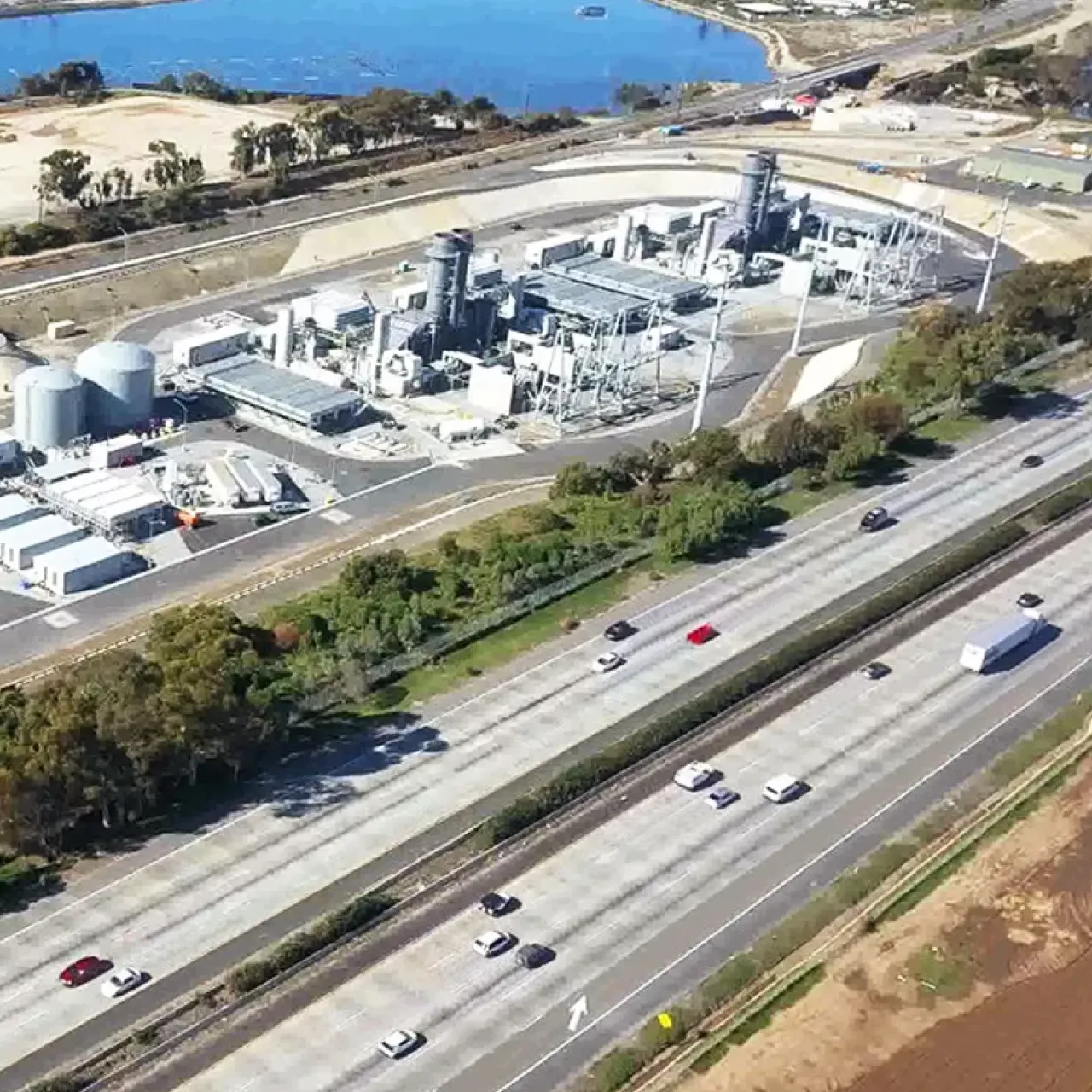
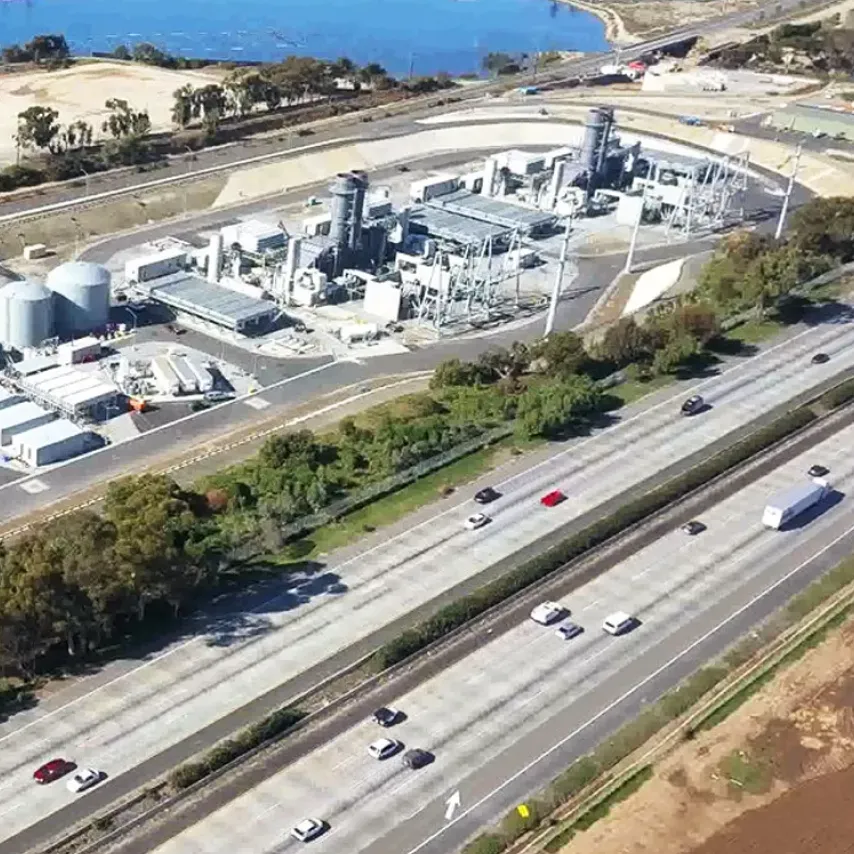
Build a 500-megawatt natural gas plant to replace an older facility.

500 megawatts

PROJECT

Modernizing a reliable resource

The state of California needed to build a new power station that ramped up faster and supported integration of renewable power. We had the right expertise to make it happen.


A progressive partnership

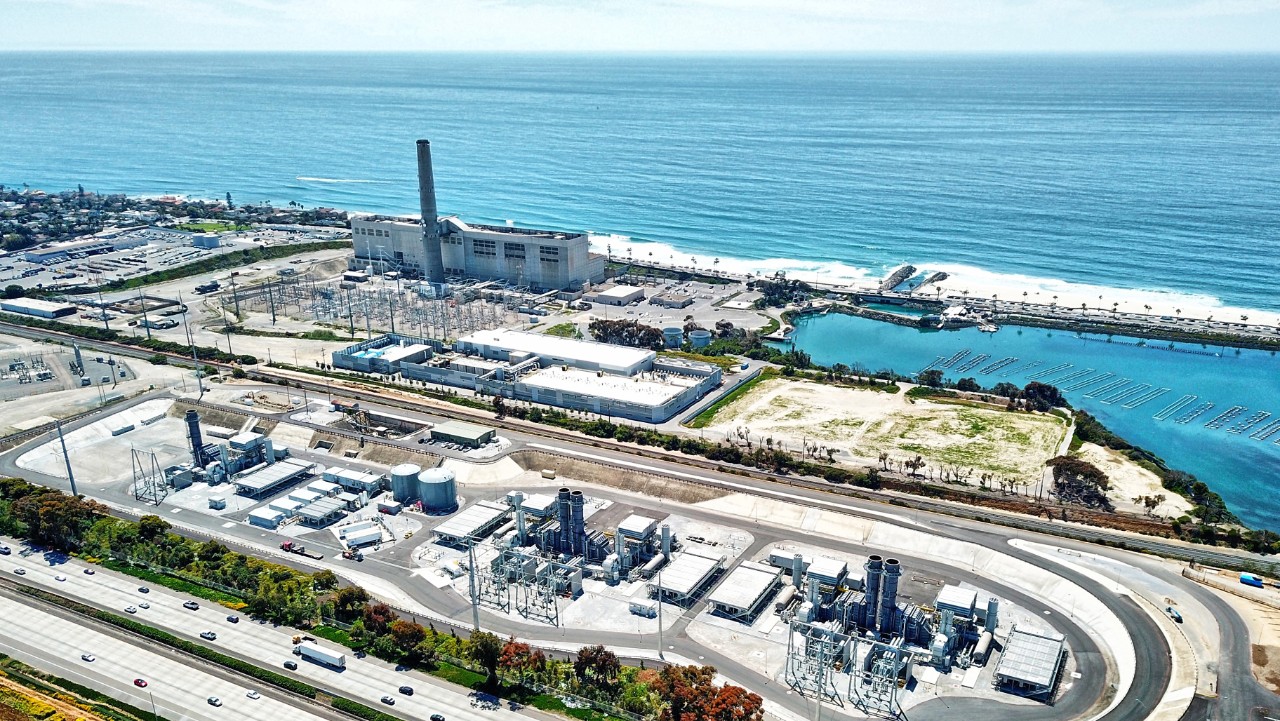
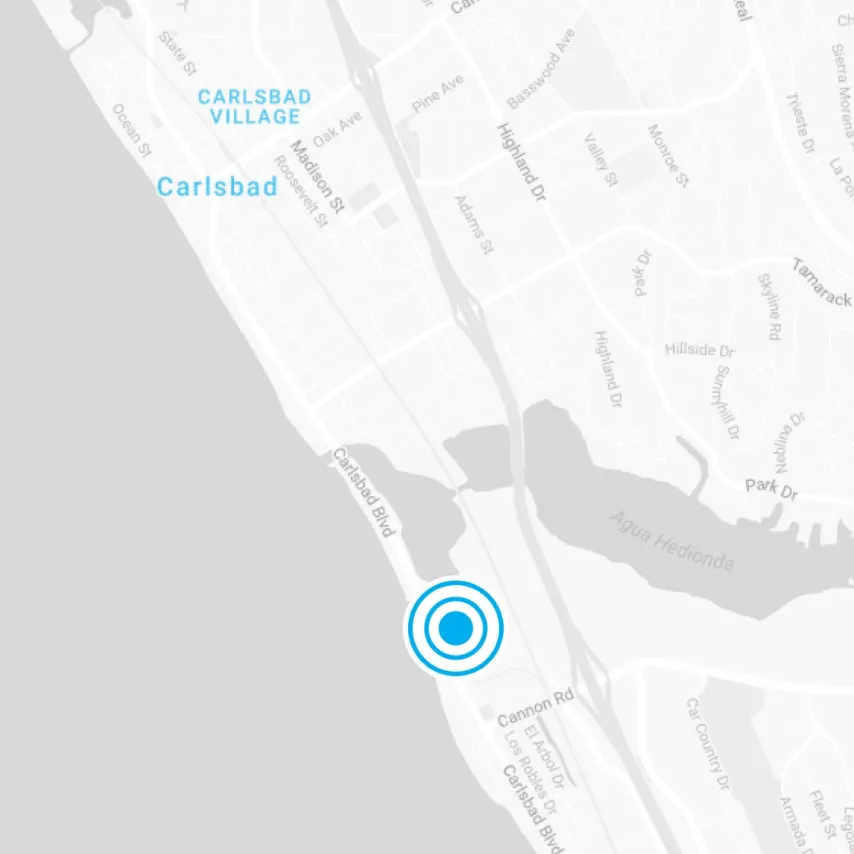
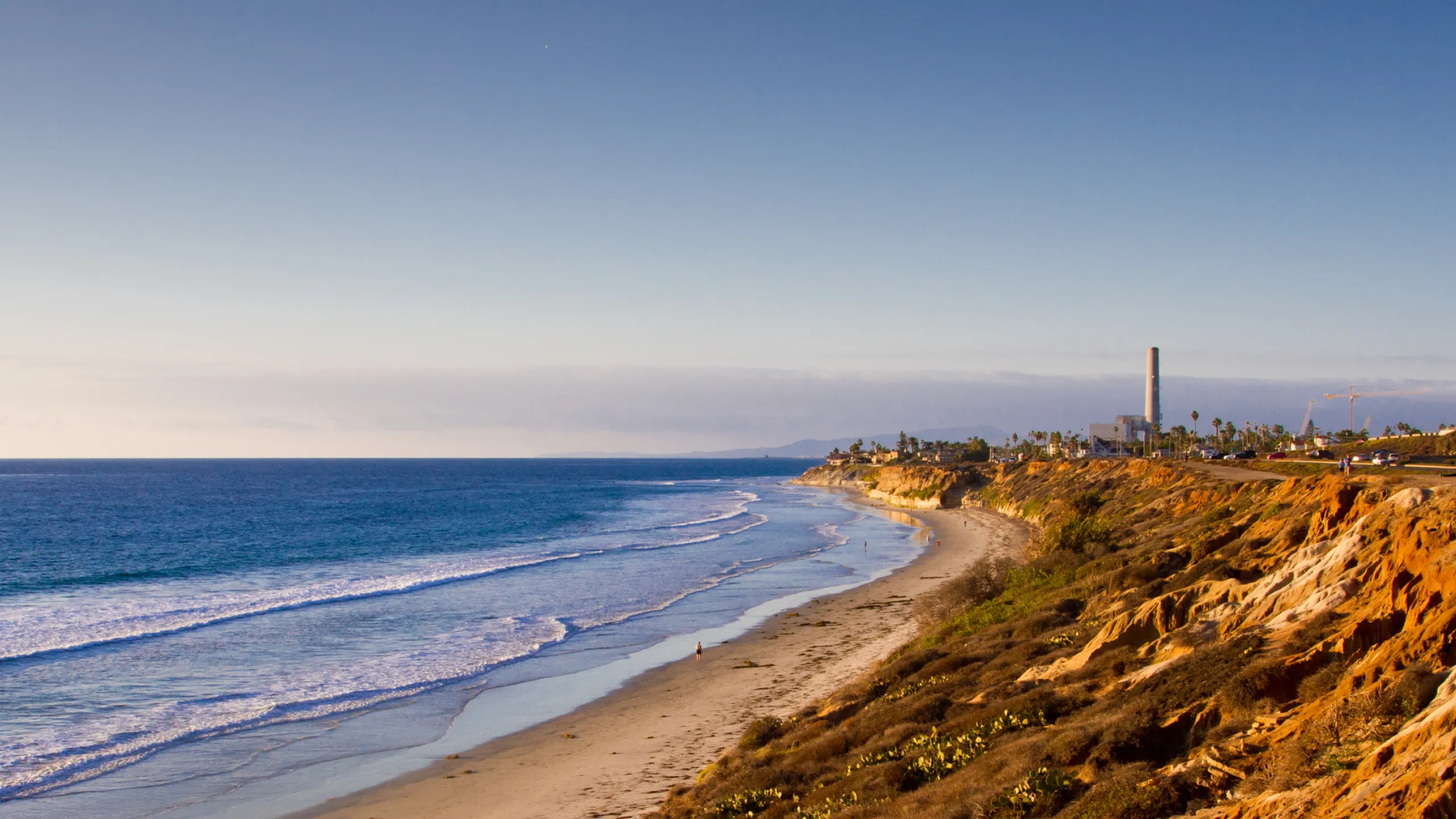
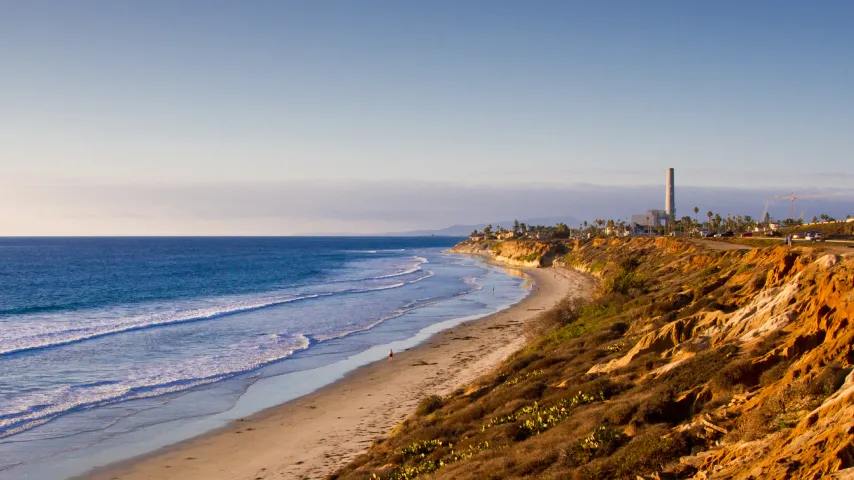
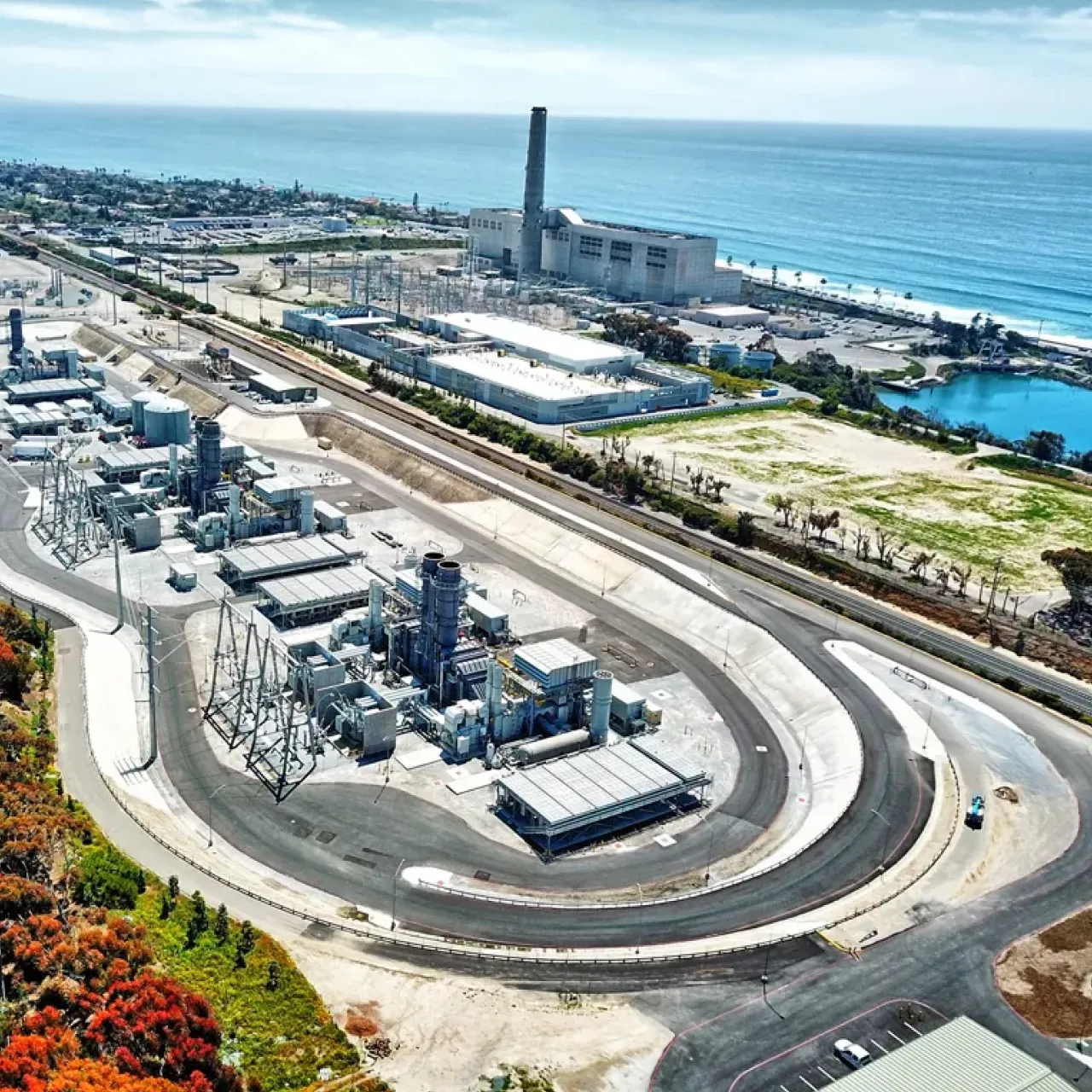
California is known for its leadership in clean energy. San Diego County needed a more efficient power plant to replace the Encina Power Station on Carlsbad’s coast. Initially constructed from 1954 to 1958 as a three steam-boiler plant before expanding in the 1970s to a five steam-boiler plant, Encina’s units could take up to 18 hours to ramp up.


Maintaining grid reliability was a big factor, too. After losing 2,200 megawatts of capacity with the retirement of the San Onofre Nuclear Generation Station, the region was faced with the prospect of losing another 965 megawatts when Encina was decommissioned.


Encina’s history is captured in the Encina by the numbers snapshot.


San Diego County

LOCATION


New facility, more stability

Our integrated approach offered a number of environmental benefits—like improved air quality and reduced water consumption—in addition to ensuring grid reliability. 


A 21st century solution

San Diego Gas & Electric officials estimate that the new plant will help California meet its target of 33 percent clean-energy generation by 2020 and 50 percent by 2030. The air-cooled facility doesn’t use any ocean water but instead uses recycled water for all industrial needs.


Project benefits

Development of the new plant also included demolition and removal of the aging Encina facility.

Notice of Demolition – Encina Power Station


BUSINESS CASE

Optimizing to meet demands

The new plant is designed to work with California’s emerging renewable generation fleet.

The plant operates during periods of peak demand, cycling on and off as needed. Demand peaks during the day, and then again after the sun goes down, at which time solar generation drops. The plant ramps up quickly when renewable resources aren’t providing energy to the grid.


Substantially more efficient than Encina while permitted to run less frequently, Carlsbad Energy Center gives the region the energy it needs. The project provided more than 400 construction jobs over its three-year construction.
200 

jobs created

ENERGY FACTS

Up and running

The new facility produces full-rated power in under 10 minutes.


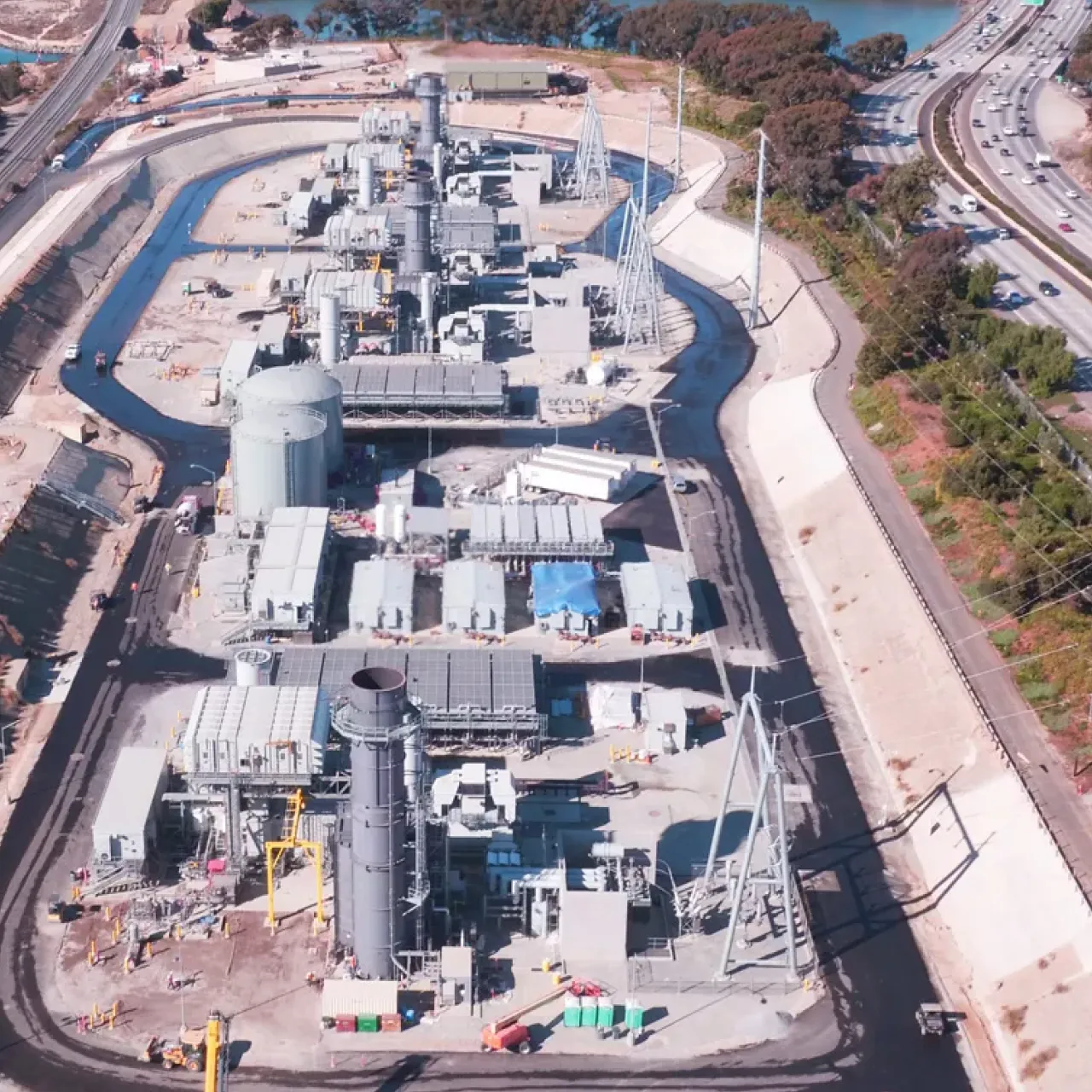
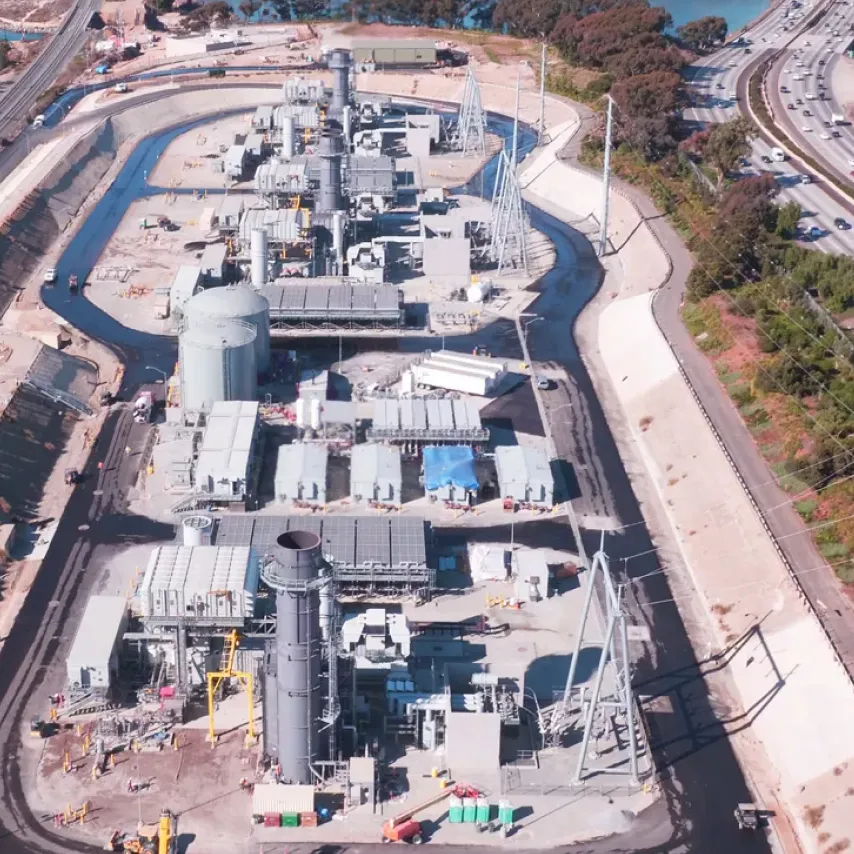
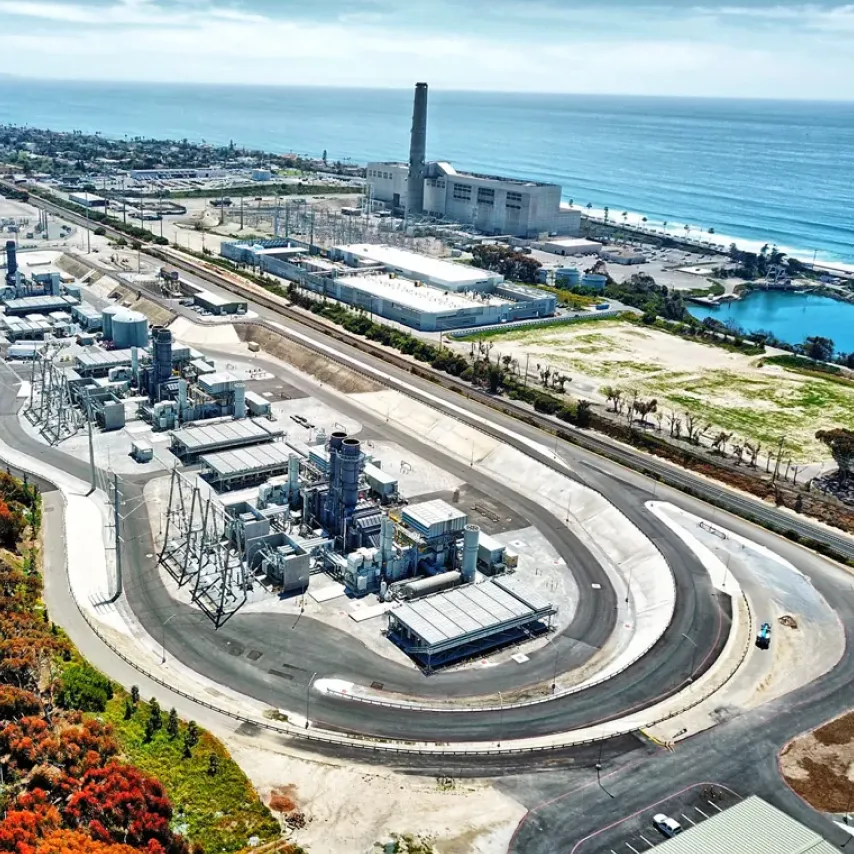
Carlsbad Energy Center is built to produce over 500 megawatts with five flexible, fast-starting turbines. These allow for quicker outputs of energy, in comparison to the older retired plants.


This is an important step to providing the region with reliable, efficient output in the event of severe weather—which is known to impact wind, solar and hydro power generation—or earthquakes and wildfires, which threaten transmission lines.
10 min.

upstart time 


500 MW

total power

SUSTAINABILITY RESULTS

Improving the community

We were recognized by the Carlsbad Chamber of Commerce as the 2015 Clean Tech Business of the Year.

Beyond the delivery of efficient and reliable power, we’ve supported community programs to help improve the quality of life in Carlsbad and North San Diego County.


Our stewardship of the Agua Hedionda lagoon helps sustain the watershed’s biodiversity, while also helping meet the region’s needs for sustainable drinking water and seafood.


And the Poseidon Water’s desalination project, located on the Encina/Carlsbad Energy Center land, is the largest desalination plant in the Western Hemisphere—converting 50 million gallons of ocean water into drinking water each day and providing a drought-resistant option to the community. Encina has maintained the cooling water pumps on behalf of Poseidon Water’s desalination project while Poseidon prepares to install its own dedicated intake and pumping system adjacent to Agua Hedionda Lagoon.

"This project will help ensure a reliable energy supply for our region while freeing up precious coastal land for the benefit of the public. This supports our community’s vision for the future."


Gary Barberio
Carlsbad Assistant City Manager

Changing the 65-year landscape at the Encina site


In a 2014 Settlement Agreement between the city of Carlsbad, San Diego Gas & Electric, and NRG, a commitment to transform the Encina Power Station site was born. In addition to moving forward with the Carlsbad Energy Center, NRG committed to the decommissioning and demolition of Encina within three years following its retirement. Encina retired on December 11, 2018 and Carlsbad Energy Center came online the next day. During the initial 12 months following Encina’s retirement, NRG proceeded with shutdown and decommissioning activities, which have entailed disconnecting the Encina Power Station from the electrical grid and the natural gas supply, removing oil and chemicals, and retiring the air permit which supported its operation. Decommissioning and demolition activities follow a thoroughly planned process guided by our CA Energy Commission license. Public and employee safety and strict adherence to environmental regulations are at the forefront of this project each day. The CEC license outlines permit conditions and mitigation measures to ensure no environmental impacts. 

Notice of Demolition - Encina Power Station
Encina by the numbers

NRG continues decommissioning of the Marine Oil Terminal

Cabrillo Power I LLC (CAB I), subsidiary of NRG, is in the process of completing regulatory closure of the offshore Marine Oil Terminal (MOT), which had served as Encina’s delivery point for fuel oil that had been stored in large aboveground storage tanks (ASTs) formerly at the eastern portion of Encina from the 1950s. The MOT was retired in 2011, the associated ASTs were removed from Encina in 2015-2016, and the MOT buoys and approximately 2,500 feet of the accessible MOT piping were decommissioned in 2018. The smaller rock jetty (i.e.,” rock stabilization platform”), which protected the MOT pipeline and continues to protect a portion of the city’s sea wall along Carlsbad Boulevard, has been re-orientated and continues to host Carlsbad’s lifeguard tower #30 while also serving to reduce beach erosion.

All but approximately 500 feet of MOT pipeline remains offshore from Encina. The remaining MOT pipeline segment within the surf zone is safely buried beneath the ocean floor and the rest lies along the ocean floor outside of the surf zone. The remaining MOT pipeline continues under a California State Lands Commission lease that expires March 23, 2025. 

Focused on you

Whatever your energy goal, we're ready to craft the best solution.


Contact us

STAY IN
THE KNOW

STAGE