







Building a Smarter Grid, One Connection at a Time


Discover how Virtual Power Plants bring energy efficiency and grid resiliency together like never before.

A NEW ERA OF ENERGY

For over a century, electricity has flowed in one direction — from power plants to homes and businesses. As the grid evolves, so does our role in it.

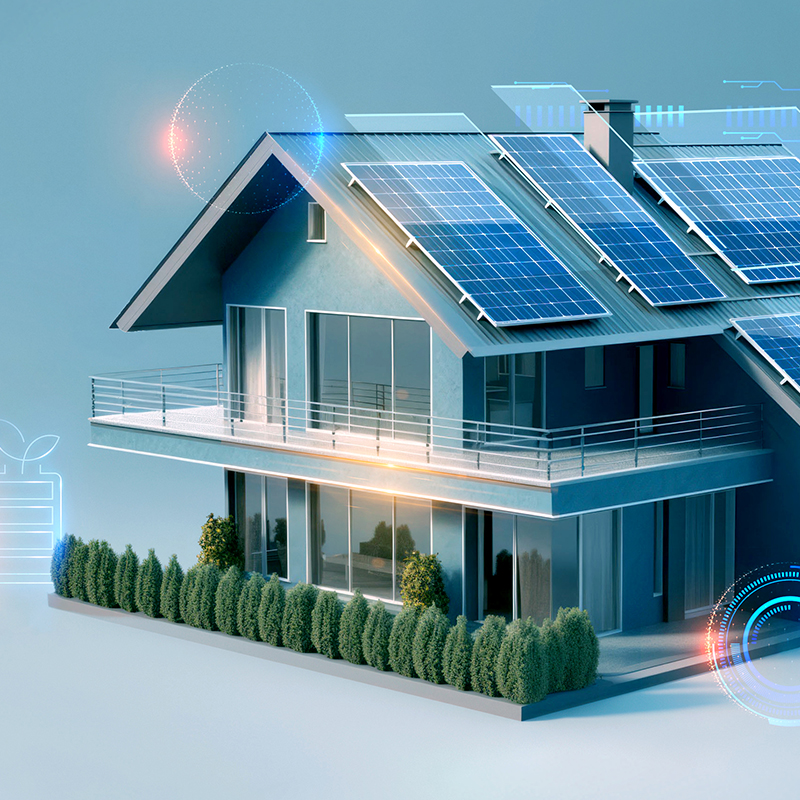
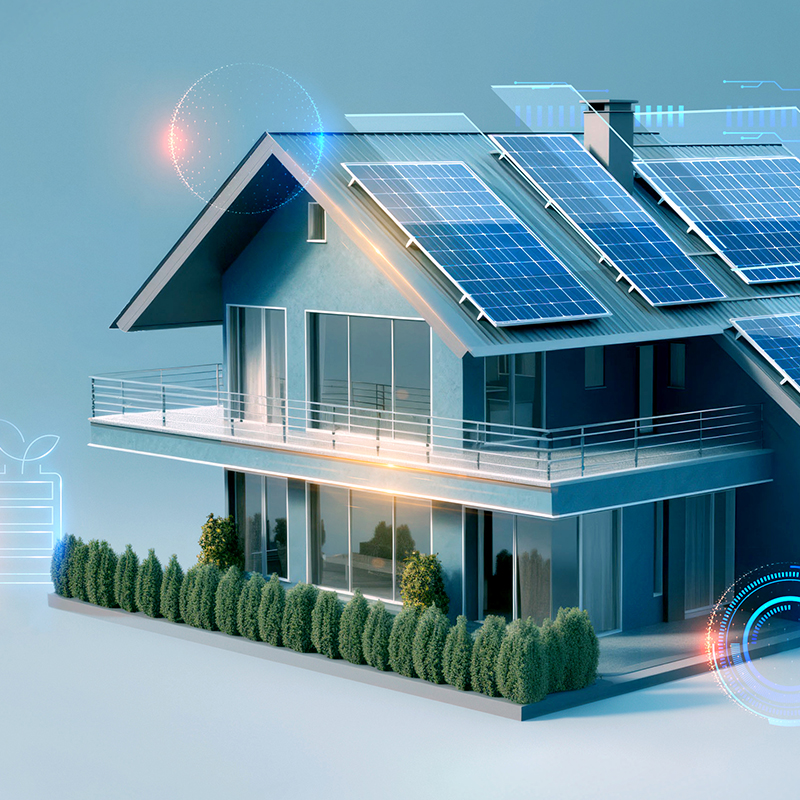
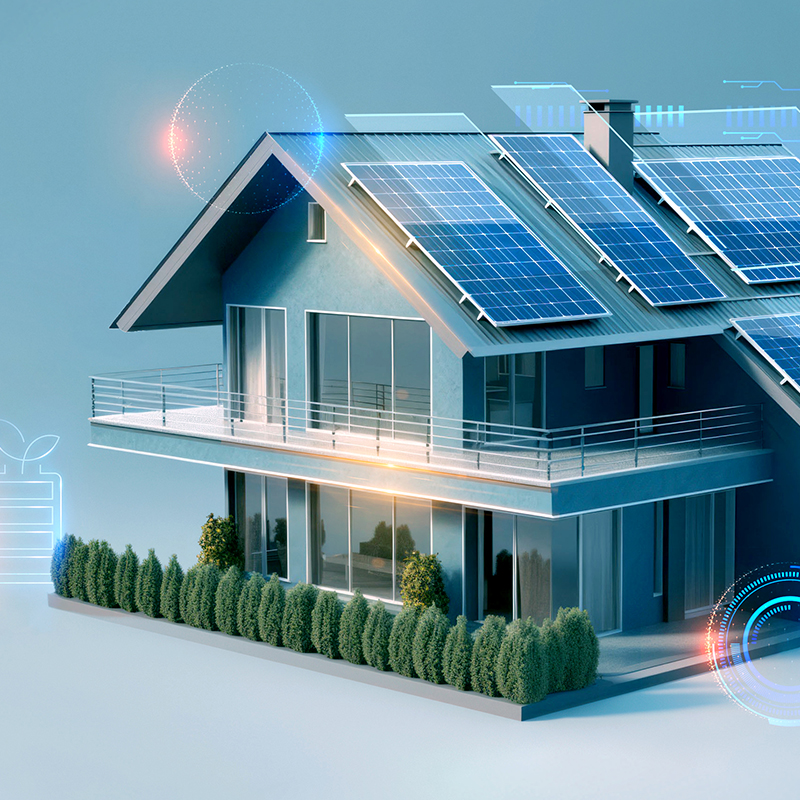
Virtual Power Plants (VPPs) turn homes into energy resources by intelligently managing and connecting smart thermostats, batteries, and other devices. These networks help reduce energy costs, ease grid strain, and support a cleaner, more reliable energy future without sacrificing comfort or control.

VPPS AT A GLANCE

Traditional power plant

The idea:
Centralized power generation delivered one-way to users


How it works:
Runs on fossil fuels or large-scale generation facilities
 

Why it matters:
Designed for consistent output, but struggles during peak demand

Virtual power plant

The idea:
Distributed energy resources managed across homes and businesses

How it works:
Coordinates smart thermostats, batteries, EV chargers, and solar to shift and optimize energy use

Why it matters:
Enhances grid flexibility, lowers costs, and supports sustainability goals

How VPPs work for homes

Energy management is made effortless when backed by technology that’s as smart as it is intuitive. Smart thermostats and connected devices are managed automatically in the background to help homeowners save energy, reduce bills, and contribute to a more stable grid — all without sacrificing convenience or comfort.

Possible benefits include:

Comfort

Smart temperature settings adjust automatically to maintain comfort year-round.

Control

Device management and personalized energy insights are all in one easy-to-use app.

Cost savings

Use less energy and earn incentives for participation.

How VPPs work for businesses

Smart energy isn’t just for homes. Large and small businesses can also tap into the benefits of VPPs to better manage their energy use, reduce costs, and support grid stability — all while realizing added value for their operations.

By intelligently reducing or shifting electricity usage during periods of high demand, businesses can earn financial incentives, ease pressure on the grid, and make meaningful strides toward their sustainability goals. It’s a win for your bottom line and a smarter way to power progress.

Possible benefits include:

More reliable power performance and fewer disruptions

Dynamic energy cost management


Participation in grid-balancing programs

Integration with existing energy tech and systems

A powerful collaboration

To accelerate the VPP initiative, NRG has partnered with Renew Home and Google Cloud to build a cutting-edge, AI-driven energy management platform.

What this partnership brings:

  • Renew Home’s expertise in residential automated demand response  solutions
  • Google Cloud’s advanced AI technology to process energy, weather, and usage data in real-time
  • NRG’s smart technology, acclaimed customer service, and energy management expertise

By combining forces, we’re creating a more responsive, efficient, and scalable Virtual Power Plant that not only makes energy use more efficient, but also:

  • Expands clean energy solutions to thousands of homes
  • Strengthens grid reliability, reducing costly power disruptions
  • Serves our customers better with game-changing AI-powered energy management

By 2030, we aim to scale the program to 650 MW. From there, our goal is to reach 1 GW of flexible, dispatchable power by 2035 — the equivalent of several traditional power plants.
Be part of the future of energy today

Learn more about how Virtual Power Plants benefit you.

Read our guide

GOT QUESTIONS? WE'VE GOT ANSWERS.

What exactly is a Virtual Power Plant?

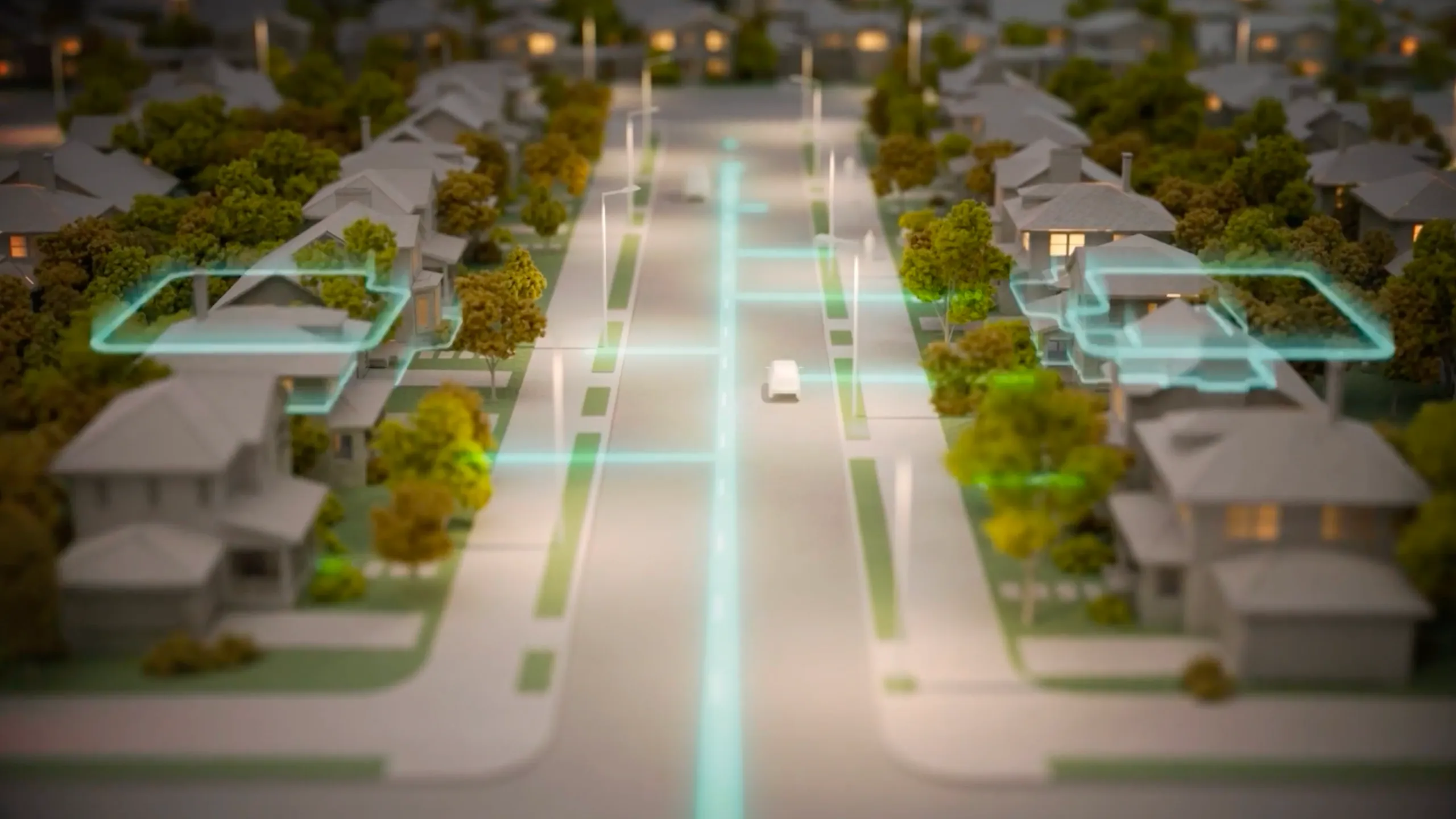
A Virtual Power Plant (VPP) is a network of smaller energy resources (often referred to as distributed energy resources or DERs) spread across many homes and businesses. A VPP includes equipment like smart thermostats, batteries, and solar panels. These interconnected devices offset and shift energy use to help meet demand.

Smart thermostats will automatically make small temperature adjustments during high energy demand periods — like a few degrees warmer in the summer or cooler in the winter. These adjustments, when aggregated together, can help reduce strain on the grid.

Yes! Homeowners are always in control. A thermostat will suggest adjustments to help balance energy demand, but participation is optional. The goal is to maximize efficiency while ensuring comfort. 

Yes, power supply remains the same and uninterrupted. The VPP helps optimize how energy is used but doesn’t change how participants receive electricity.

Yes, eligible customers may receive smart devices (like a thermostat or doorbell camera) and professional installation at no cost. You may also earn bill credits or rewards for participating in energy-saving events, all while reducing your long-term energy use.

Yes, VPPs are rapidly expanding across the U.S. This growth is fueled by factors such as the integration of renewable energy, policy support, and advancements in smart grid technologies. As energy needs become more dynamic, VPPs offer a flexible, cost-effective way for businesses to stay ahead. For commercial and industrial customers, that means new opportunities to:

  • Lower energy spend with participation incentives
  • Enhance operational resilience during peak periods
  • Contribute to decarbonization goals without compromising performance

Demand response temporarily reduces energy use during peak times, like turning down your thermostat for a few hours. A VPP is a more advanced, continuous system that connects smart devices to manage energy use in real time.

Many energy companies and local utilities offer plans and add-ons that enable you to enroll in a VPP. For example, Reliant, an NRG company, currently offers the Smarter Home Bundle and Degrees of Difference program. There are also opportunities to join a VPP by enrolling with an energy management company, such as Renew Home.

STAGE