








Weather the Storm with Distributed Energy
Weather the Storm with Distributed Energy
In many places, this past summer was scorching. The Northeast saw record-breaking highs in July that reached above 100-degrees. In Texas, July and August brought record highs as well. As we move through peak hurricane season, and with cold winter months on the horizon, it’s important to have a reliable energy supply so you and your business can stay safe and continually powered for success.
Risks of extreme weather
Without ensuring a strong, resilient energy supply, harsh weather can negatively impact both your inventory and your production schedules. Can you risk losing a customer over one hot summer afternoon or a two-day nor’easter? In the end, extreme weather means money lost for everyone if the power goes out.
Other contributing risks
Irrespective of the weather, grid decentralization can also contribute to reliability issues for businesses across the country. Simply put, a decentralized grid creates an interconnected grid with more moving parts.
Benefits of distributed energy
In this ever-changing world, distributed energy solutions from NRG provide the reassurance needed for your operations to run smoothly, efficiently, and effectively. Traditionally, energy is generated in large, central power stations and transmitted across long distances to consumers. Distributed energy resources takes an alternative approach, using many smaller-scale technologies that produce power close to where it’s needed. Distributed energy resources tend to be installed on-site and off-grid. Many use clean energy sources sometimes with efficient cogeneration units that convert waste heat into useful energy. The payoffs are tangible. Small-scale, on-site power solutions lower emissions and boost business efficiency, grid resiliency, and security by reducing dependency on the grid. And when it comes to finances, NRG can customize a solution that goes further than just adding reliability to the mix. It can also be designed to reduce or eliminate an upfront investment, provide more budget certainty, and be integrated smoothly into your existing operations.
Advantages of demand response
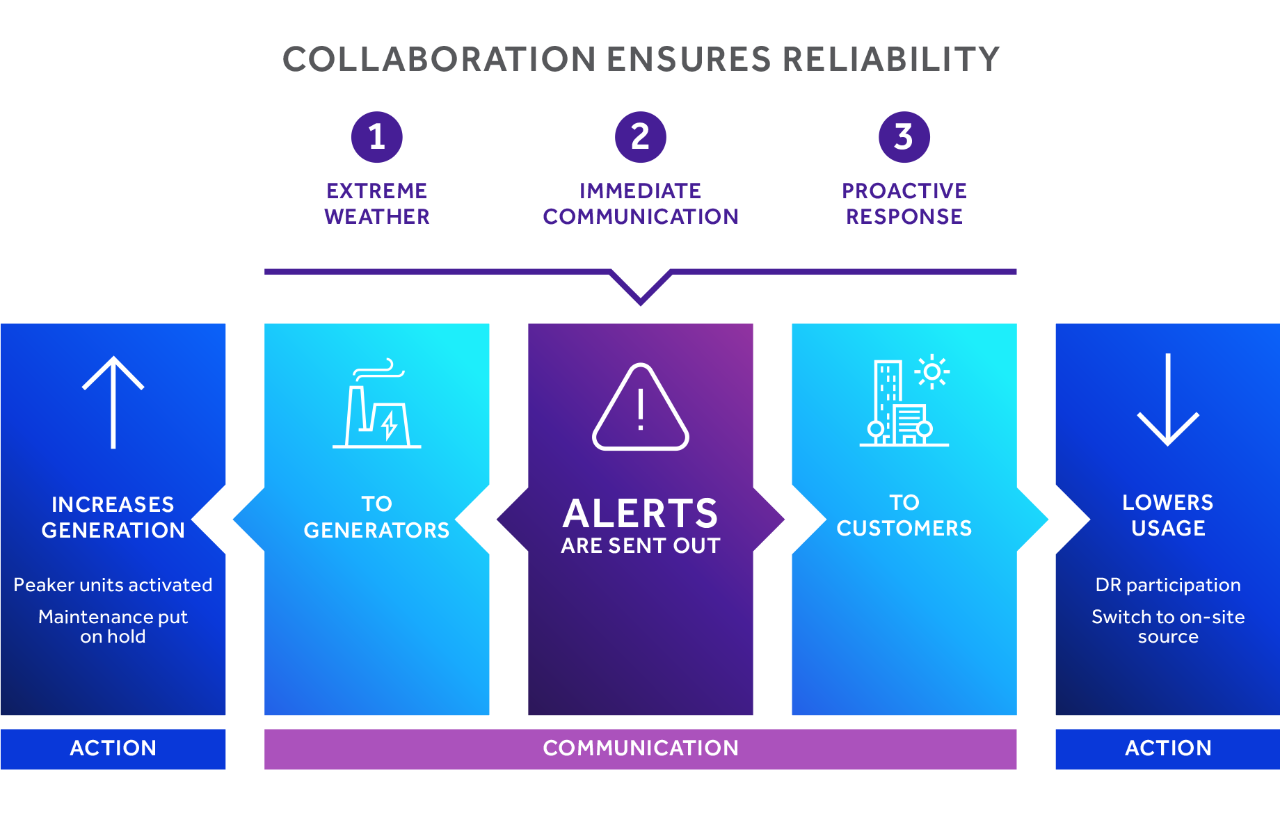
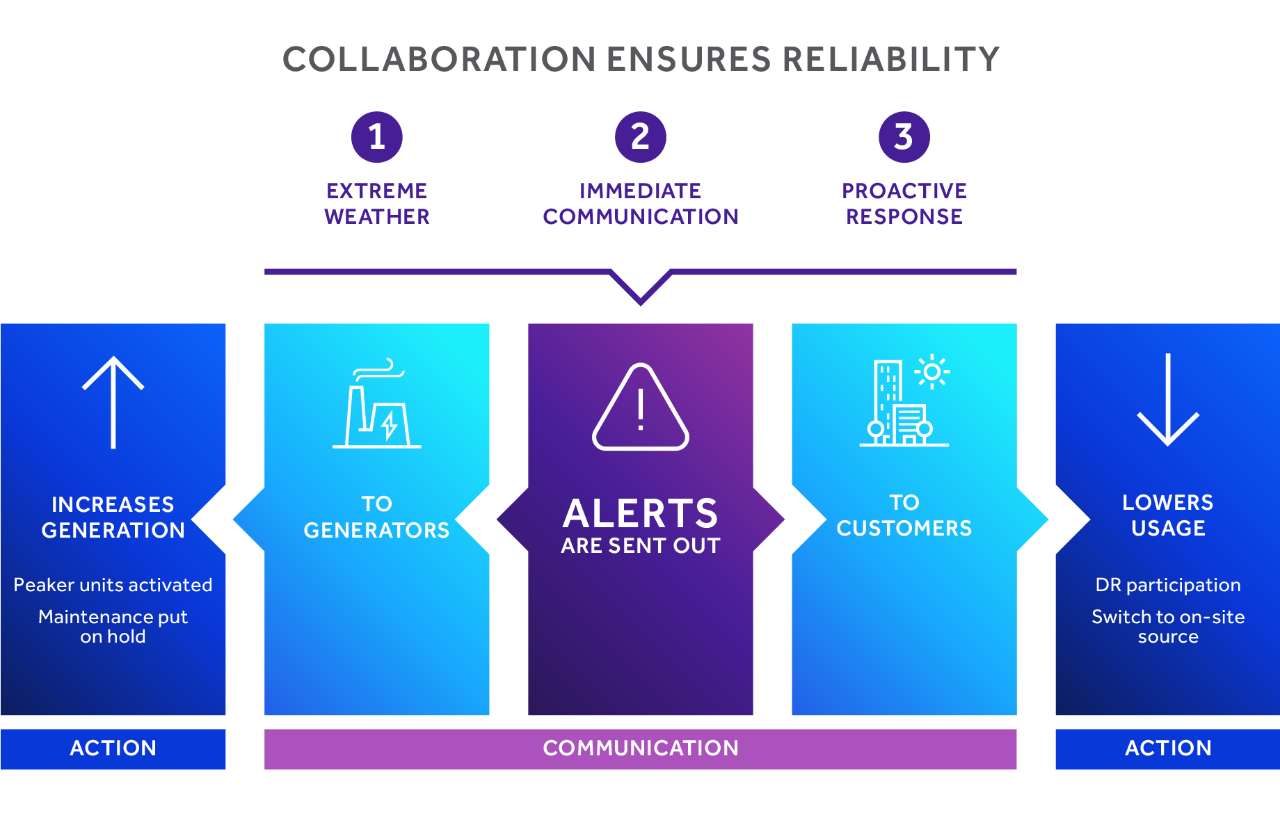
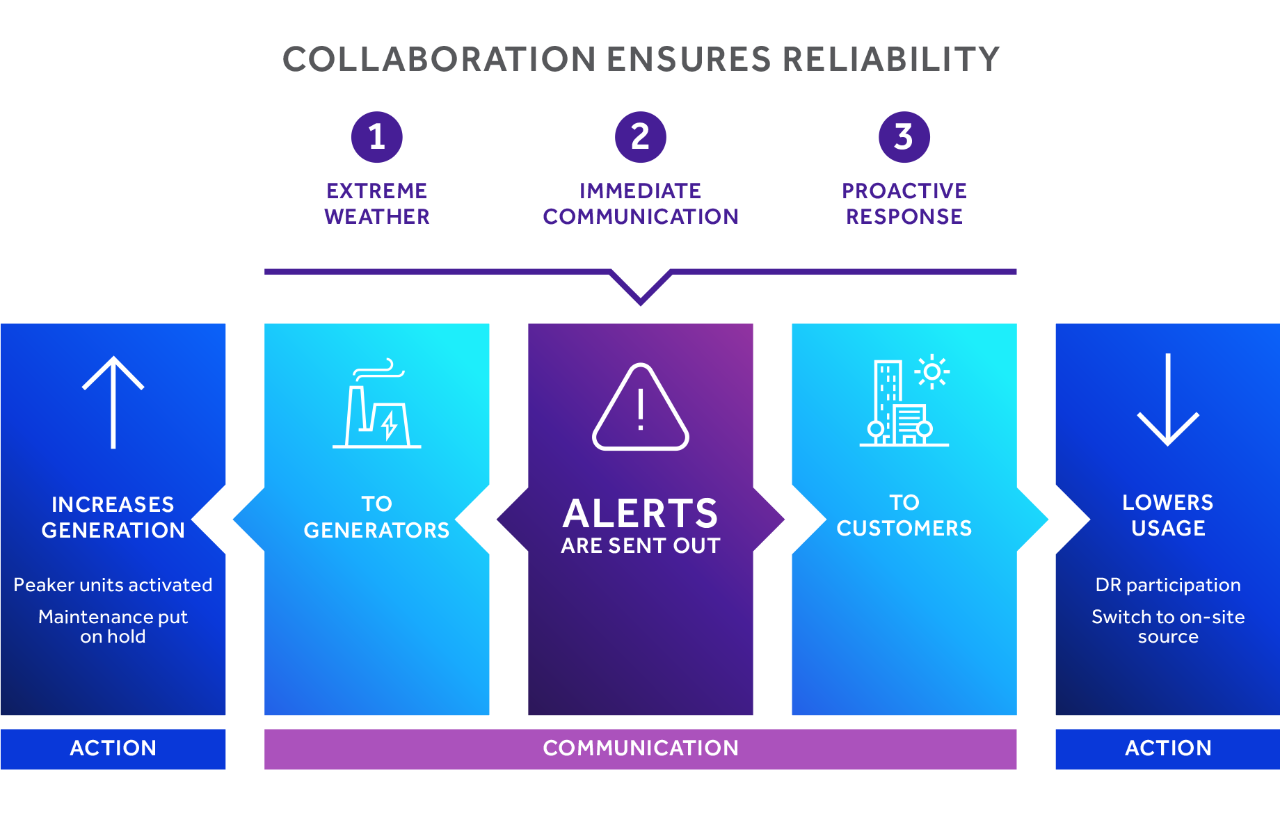
One of the most strategic and easily implemented approaches NRG offers is demand response (DR). Here, an energy expert analyzes how a business uses electricity and formulates a customized plan for reducing usage, implemented when the grid is stressed. Businesses that employ a DR-based reduction plan gain direct insight into how their energy is being utilized, their overall energy efficiency, and how they can reduce their footprint even more in the future. They’re incentivized to perform at times of grid stress; when the DR period is over, they are paid for their exact amount of curtailment. More importantly, DR success can become the foundation for a bigger energy solution, one that employs a unique mix of components and creates a fully integrated distributed energy system.
Case in point
As an example of this more integrated approach, consider HOBAS Pipe USA. With the goal of reducing emissions while achieving around-the-clock energy stability, HOBAS enlisted NRG for a customized distributed energy solution after their backup generator fell out of compliance when new emissions requirements were implemented. NRG upgraded the exhaust system to meet the new standard, which quickly brought HOBAS back into compliance, allowing them to renew eligibility for demand response and demand charge management, while better managing power quality. Ultimately, this led to reduced emissions, increased cost savings, and improved energy stability.
Take initiative
How will you prepare your business for uncertainty? Will it be ready for the next unexpected heat wave or late-season hurricane? Whether you start with a demand response program or move up to a more integrated solution, NRG can provide the dedicated team and the energy expertise to get you there.


Share on