








Making Reliable Electricity a Reality During Peak Demand
Making Reliable Electricity a Reality During Peak Demand
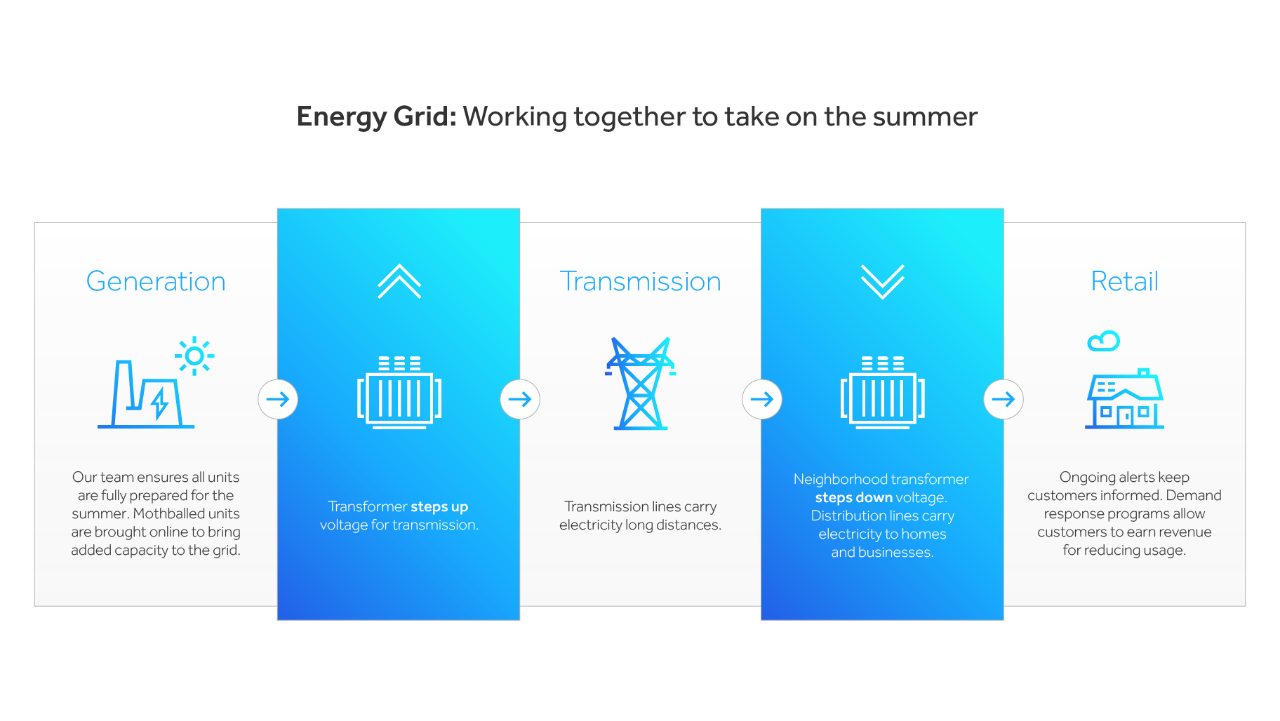
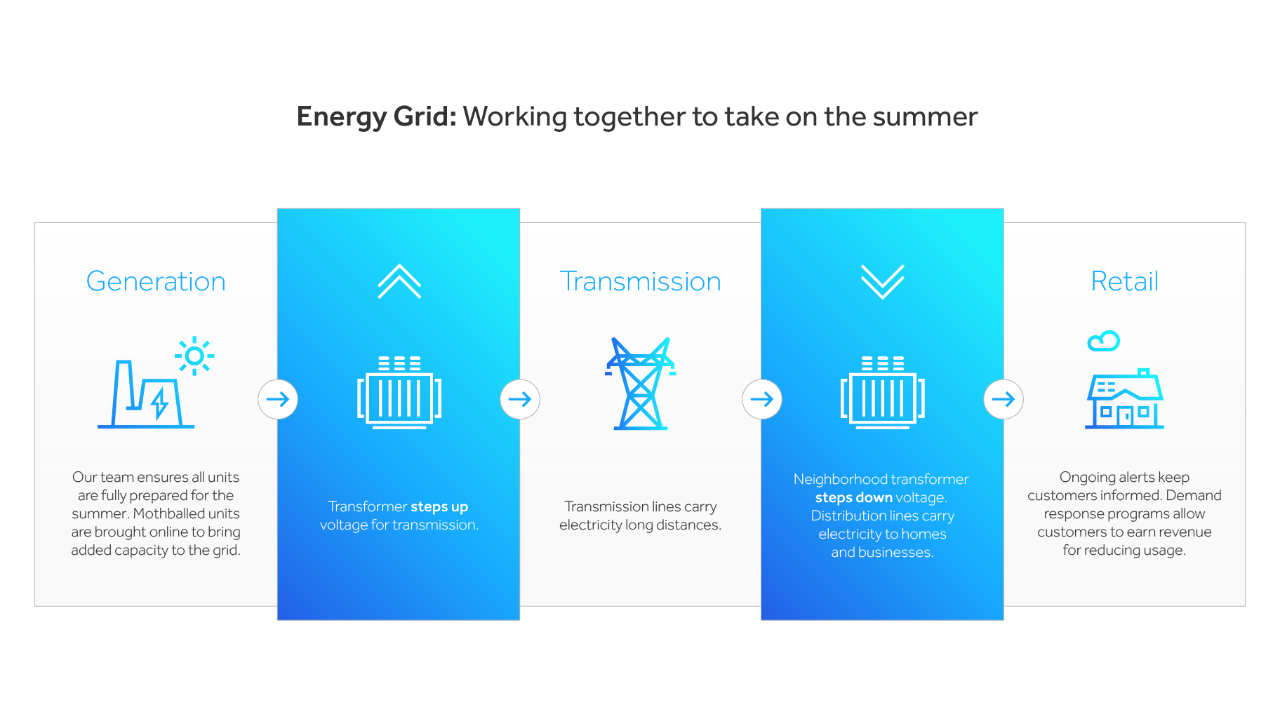
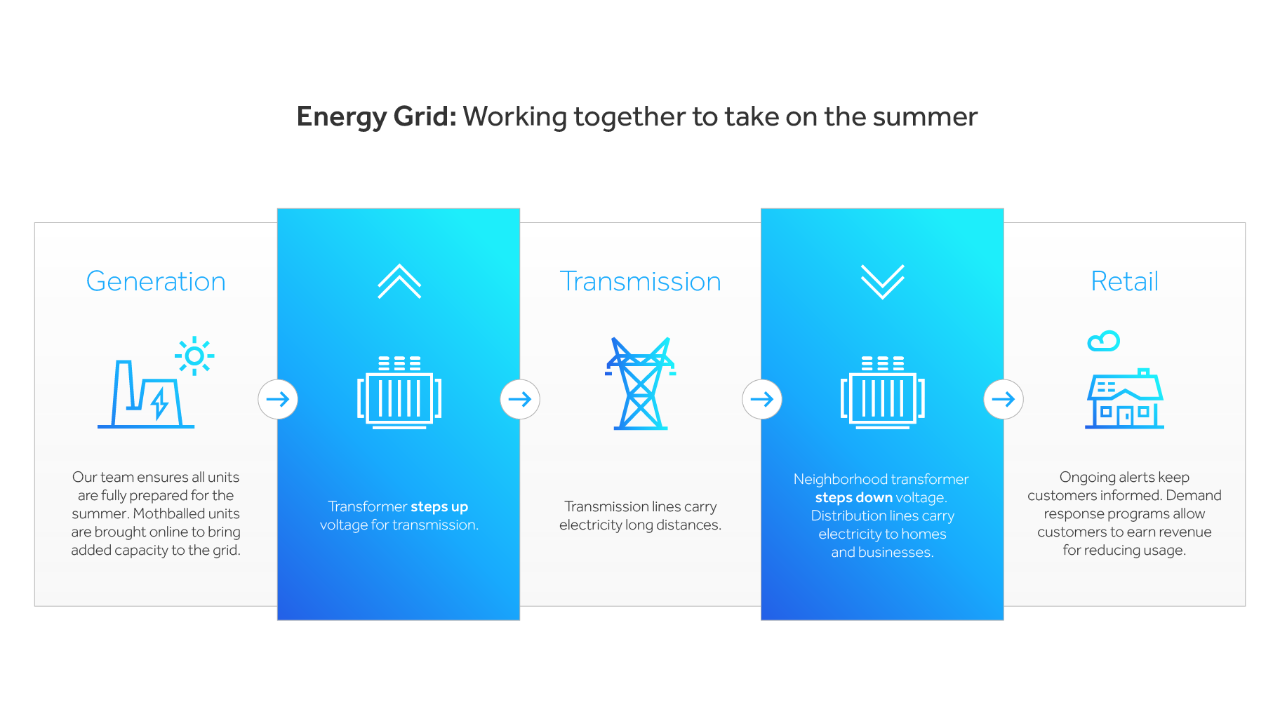
The flick of a switch comes with the confidence that your lights will always turn on. You have an expectation and a need for safe and reliable power. We are committed to providing that safe and reliable power by preparing, planning, and deploying a dedicated workforce across the communities we serve.
However, with the challenges brought by changes in season, extreme weather, and the unexpected, power is not always straightforward. With the help of employees from across the company and with a variety of expertise — including meteorology, operations, generation, supply chain, and more — we do our best to keep our customers’ lives powered.
Forecasting the challenges of peak demand in summer
For our generation teams, preparing for and anticipating what the season may bring begins early. And resiliency means lots of planning, preparedness, and hard work.
Getting our generation fleet ready to meet the demands of summer means more than preparing for the peak demand that comes with high temperatures, heavy air conditioning and electricity use. Summer brings challenges that go beyond heat. Perhaps most notably, hurricane season officially takes place June 1 through the end of November. And “lesser” storms are also a concern in terms of heavy rainfall, strong winds, the impacts they can have on a community’s power supply, and the time and expense it takes to recover. Extreme weather is not limited to states and power grids in the South. Warmer temperatures and strong storms — nor’easters anyone? — can and do wreak havoc on the energy grids across the country.
From meteorological evaluation and forecasting to interdepartmental collaboration, we do all we can to prepare for both the expected and the possible.
Creating an energy plan for the power grid
Considering all of these factors, there’s much to be done. The range of activities at each of our generation facilities is both significant and precisely planned.
For starters, summer readiness outages occur at all our power plants, with completion by mid-June in the Northeast and earlier in Texas. These planned shutdowns allow a range of maintenance services, performance measures, and optimization work to occur, so all plants are ready for what lies ahead. Besides the prescribed technical work, operations teams review data and events from past summers and build work scopes with an experienced eye for the future. At the peak of plant outage season, this can involve more than 500 outside contractors, in addition to our own staff, working at our facilities, along with other crews at several offsite repair facilities. And Memorial Day weekend, a time of relaxation and family picnics for many, is the time for our teams to finish up these summer prep activities.
The elements of summer preparedness during peak demand
While requiring agility and foresight in scheduling, all activities were executed on time with each plant certifying completion of summer preparedness. Here’s a partial list of key elements:
- Hurricane, flooding, storm preparation
- Heat stress avoidance
- Critical spare equipment
- Staffing plans
- Sufficient chemical supplies
- Test runs of all equipment
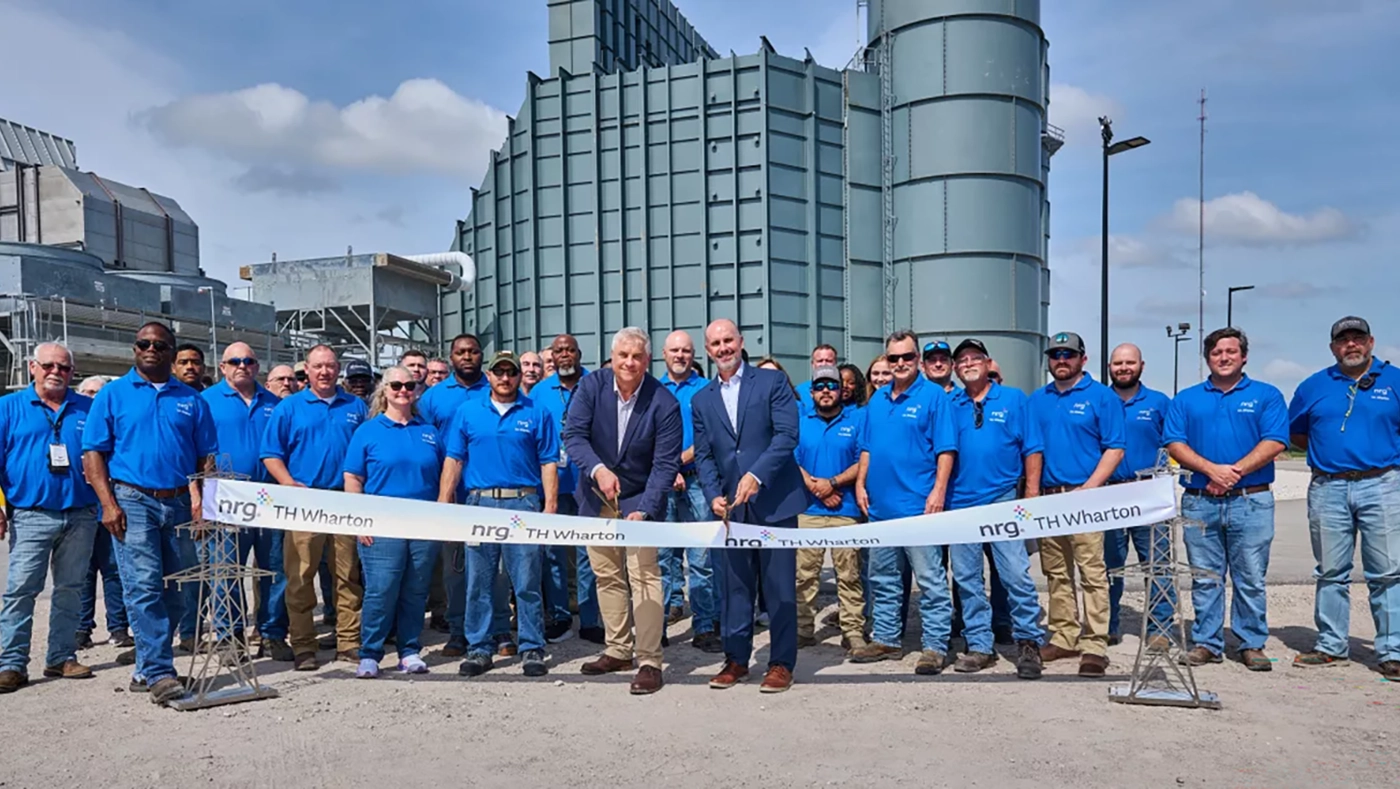
Some plants, too, require special efforts beyond what is on a prescribed list. For example, infrastructure improvements to provide added protection based on local geography and past weather events. In addition, some plants, like our 385 MW Gregory Power Plant near Corpus Christi, are brought out of mothball-status to help meet forecasted reserve needs.
Amid the best-laid plans, the unexpected can occur. With any machine — even ones with the best preparation practices in place — things can go awry. So, what do we do about that? We fix it. With the help of our dedicated teams, we solve unexpected mechanical or operational problems and work hard to get our customers back to normal as quickly as possible. The bottom line, we take every situation — large or small — seriously.
The impact of leveraging our expertise
As the summer unfolds, being armed with knowledge is another key aspect of the response plan for every plant operator. That means working hour by hour with our on-staff meteorology team as mentioned above. These weather experts help us constantly monitor conditions affecting all our plants through weekly calls and more frequent communications as needed. Daily updates are distributed, and alerts are sent out if conditions warrant. This allows plant personnel to be poised and ready to focus their attention and action plan as a specific weather issue takes hold.
A plan and a process for resiliency
In Texas, following Winter Storm Uri in 2021, the legislature took action, passing critical legislation that improved weatherization requirements for the entire energy system. The plan was inclusive of electricity, transmission and distribution systems and natural gas. It also improved communications with the public, state agencies, and market participants, along with making enhancements to the Electric Reliability Council of Texas (ERCOT) market to ensure the state became more resilient in the face of extreme weather. We applaud the legislature for making these key areas a priority.
Our goal of providing reliable power to the ERCOT region
Providing safe reliable power is a job we take seriously. We are dedicated to the advance planning and proactive measures that have proven effective in meeting our goal, and we continue to improve and evolve our processes with every lesson learned. That’s the best strategy for us, for the electric grid operators, and for the customers and communities we serve. Contact us today to learn more.


Share on